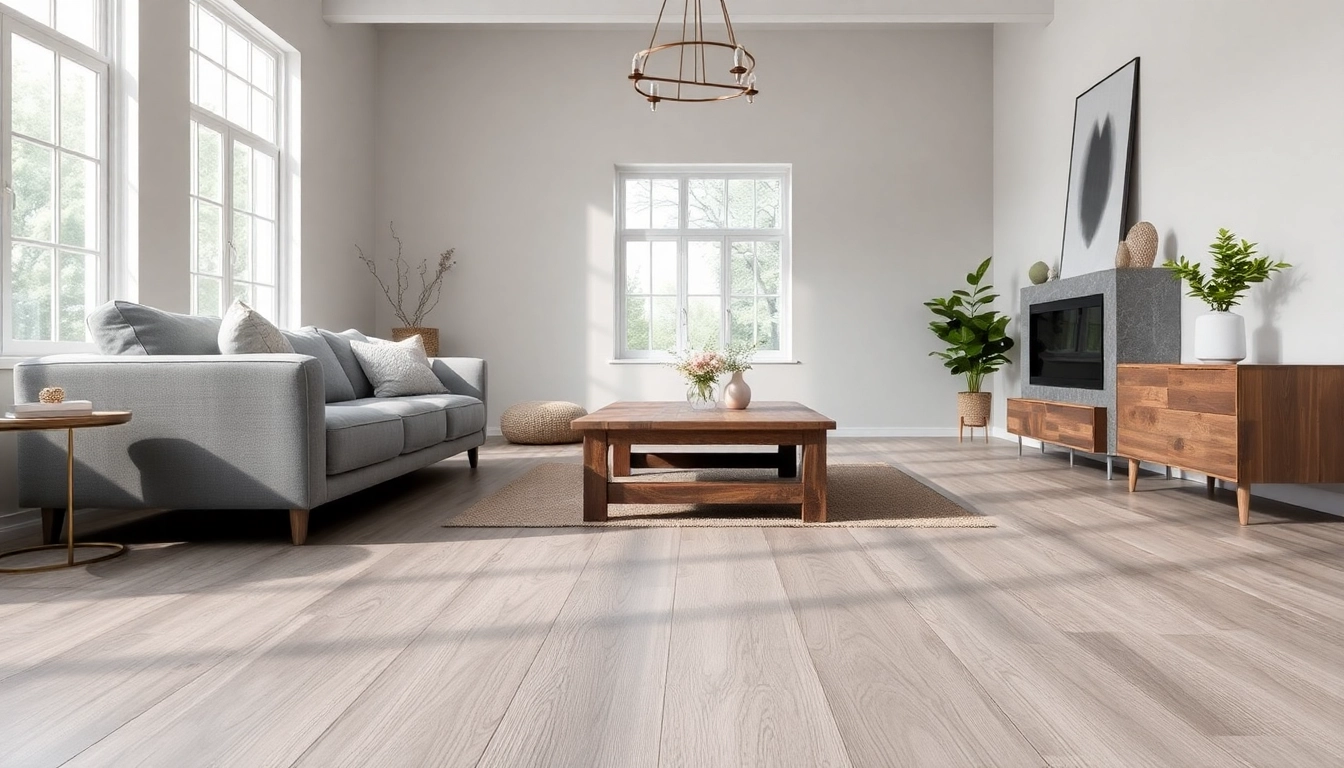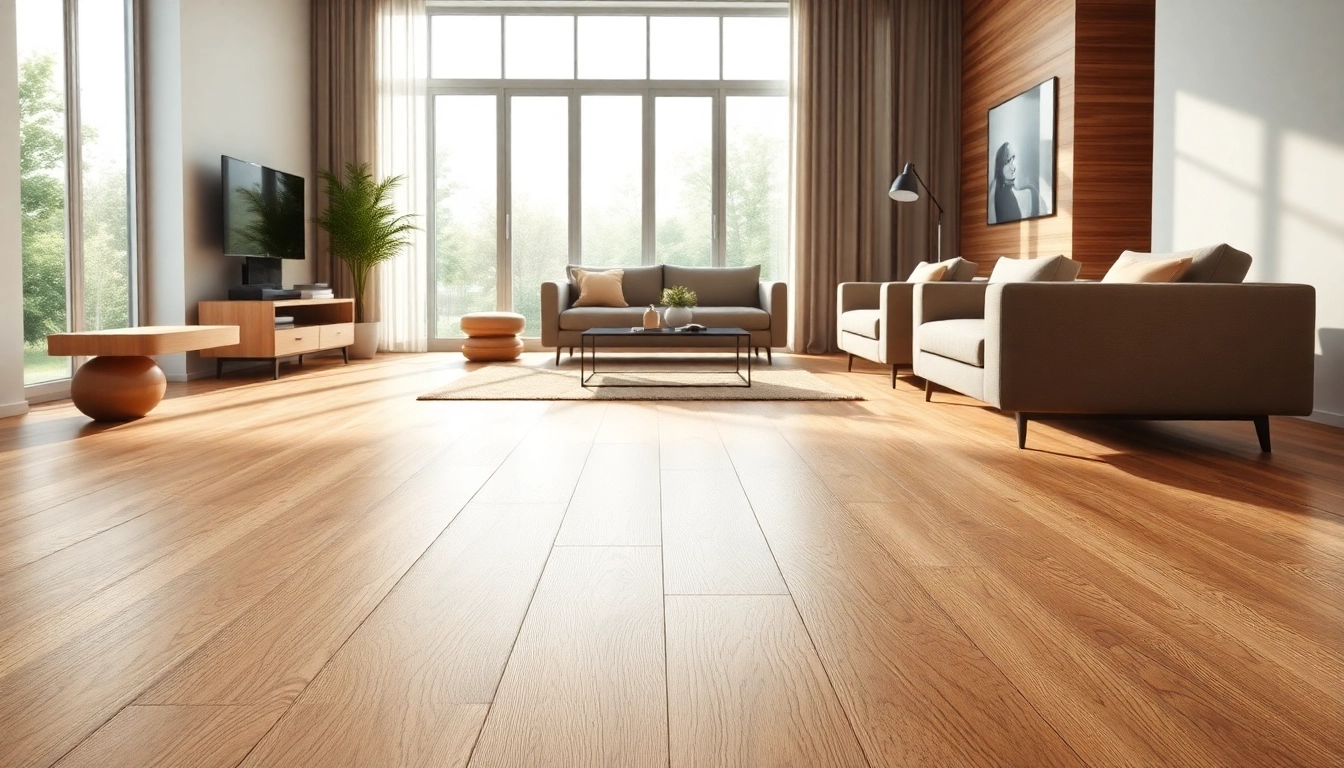
Understanding Quality Vinyl Flooring
Choosing the right flooring for your home can be a daunting task, especially with the multitude of options available in today’s market. Among these choices, quality vinyl flooring has emerged as a popular selection for its combination of durability, style, and affordability. This guide will delve into the essential aspects of quality vinyl flooring, helping you make an informed decision for your space.
What Defines Quality Vinyl Flooring?
Quality vinyl flooring is characterized by its composition, construction, and performance capabilities. Typically, high-quality options are thicker, featuring more robust wear layers that enhance durability. A premium vinyl plank or tile will withstand heavy foot traffic, resist scratches, and maintain its appearance over time. Additionally, these products often come with enhanced moisture resistance, making them suitable for kitchens, bathrooms, and basements where spills and humidity can be a concern.
Benefits of Quality Vinyl Flooring
There are numerous benefits associated with quality vinyl flooring:
- Affordability: Compared to natural materials like wood or stone, vinyl flooring is a cost-effective alternative that mimics the look without the high price tag.
- Durability: High-quality vinyl can withstand heavy wear, making it ideal for busy households or commercial use.
- Water Resistance: Many vinyl floors come with waterproof properties, making them perfect for moist areas.
- Ease of Maintenance: Cleaning and maintaining vinyl flooring is straightforward; regular sweeping and occasional mopping are generally all that’s required.
- Variety of Styles: Quality vinyl flooring is available in countless designs, colors, and textures, allowing homeowners to customize their spaces effectively.
Different Styles of Quality Vinyl Flooring
When it comes to quality vinyl flooring, several styles are available for consideration:
- Luxury Vinyl Plank (LVP): Designed to replicate hardwood, LVP offers a range of textures and finishes.
- Luxury Vinyl Tile (LVT): Ideal for mimicking natural stone or ceramic, LVT is popular in high-end residential and commercial spaces.
- Sheet Vinyl: This continuous sheet of vinyl can cover large areas without seams, making it a great option for kitchens and bathrooms.
- Vinyl Composite Tile (VCT): Suitable for commercial settings, VCT is highly durable and often used in schools and offices.
Identifying High-Quality Vinyl Flooring
Recognizing high-quality vinyl flooring involves a few key factors. Understanding these will help you avoid lower-grade products that may not fulfill your expectations or needs.
Thickness and Durability Considerations
Thickness is a critical indicator of quality. Vinyl flooring typically ranges from 2mm to 8mm or more. Thicker products will generally provide better durability, comfort, and insulation. Consider your intended use; for example, areas with high foot traffic require flooring at least 5mm thick for optimal longevity.
Wear Layer: What You Need to Know
The wear layer is the transparent top layer that protects against scratches, stains, and fading. A high-quality vinyl floor will have a wear layer of at least 20 mils (0.5mm) or more for residential use. Products with thicker layers tend to perform better in stress conditions, ensuring a longer life span while maintaining aesthetic appeal.
Texture and Realism in Vinyl Flooring
Quality vinyl flooring should feature realistic textures and embossing. This realism is achieved through advanced printing techniques that replicate the look and feel of natural materials. When choosing quality vinyl, ensure that the texture matches the design, as this adds to the overall visual authenticity of the product.
Installation of Quality Vinyl Flooring
The installation process can significantly impact the performance of your vinyl flooring. Understanding the necessary steps will help ensure a successful project, whether you decide to DIY or hire a professional.
Preparing the Subfloor
Before installation, the subfloor must be clean, dry, and level. Any imperfections, such as cracks or height differences, should be addressed as they can affect the final appearance and durability. Often, a smooth and even subfloor leads to a more comfortable and aesthetically pleasing finished floor.
DIY vs. Professional Installation
For those with handy skills, installing quality vinyl flooring can be a manageable DIY project. Many products offer click-lock installation or adhesive backing, simplifying the process. However, if you’re not confident in your skills or if the area has complicated layouts, hiring a professional might be advisable for the best results.
Tools and Materials Needed
During installation, you’ll need several tools, including:
- A utility knife for cutting planks
- A straightedge or ruler for accurate measurements
- A tapping block for click-lock installations
- A measuring tape and chalk line for layout
- A roller or heavy weight for pressing down seams if required
Maintaining Quality Vinyl Flooring
Once installed, maintaining quality vinyl flooring is essential to prolonging its life and appearance. Routine care can significantly enhance its longevity and keep it looking fresh.
Regular Care and Cleaning Tips
Regular cleaning is crucial. Sweep or vacuum floors regularly to remove dirt and debris. For deeper cleaning, use a damp mop with a vinyl-friendly cleaner. Avoid harsh chemicals or abrasives that can damage the surface of the flooring.
Addressing Common Issues
For minor scratches or scuffs, consider using a vinyl repair kit that matches the flooring color. Additionally, be mindful of any moisture accumulation, as this can cause warping or mold growth. Quickly mopping spills and cleaning up messes can prevent long-term damage.
Long-Term Maintenance Strategies
Implementing preventive measures can significantly extend the life of your vinyl flooring. Use furniture pads to avoid scratches from heavy items and consider placing rugs in high-traffic areas to minimize wear. Periodically assess the condition of your flooring and plan for the occasional deep clean or professional maintenance.
Frequently Asked Questions about Quality Vinyl Flooring
What is high-quality vinyl flooring?
High-quality vinyl flooring features thicker planks or tiles, robust wear layers, and more realistic textures, ensuring durability and aesthetics.
How can I tell if a vinyl floor is good quality?
Quality vinyl can be identified through its thickness, wear layer, realistic embossing, core construction, and brand reputation.
Can quality vinyl flooring be installed in wet areas?
Yes, quality vinyl flooring typically has water-resistant properties, making it suitable for bathrooms, kitchens, and laundry rooms.
What is the average lifespan of quality vinyl flooring?
With proper care and maintenance, quality vinyl flooring can last anywhere from 10 to 25 years, depending on its specific attributes and usage.
Is quality vinyl flooring environmentally friendly?
Quality vinyl flooring can be eco-friendly; many manufacturers now produce products with sustainable materials and low VOC emissions, minimizing environmental impact.