Understanding Lighting Solutions
What Are Lighting Solutions?
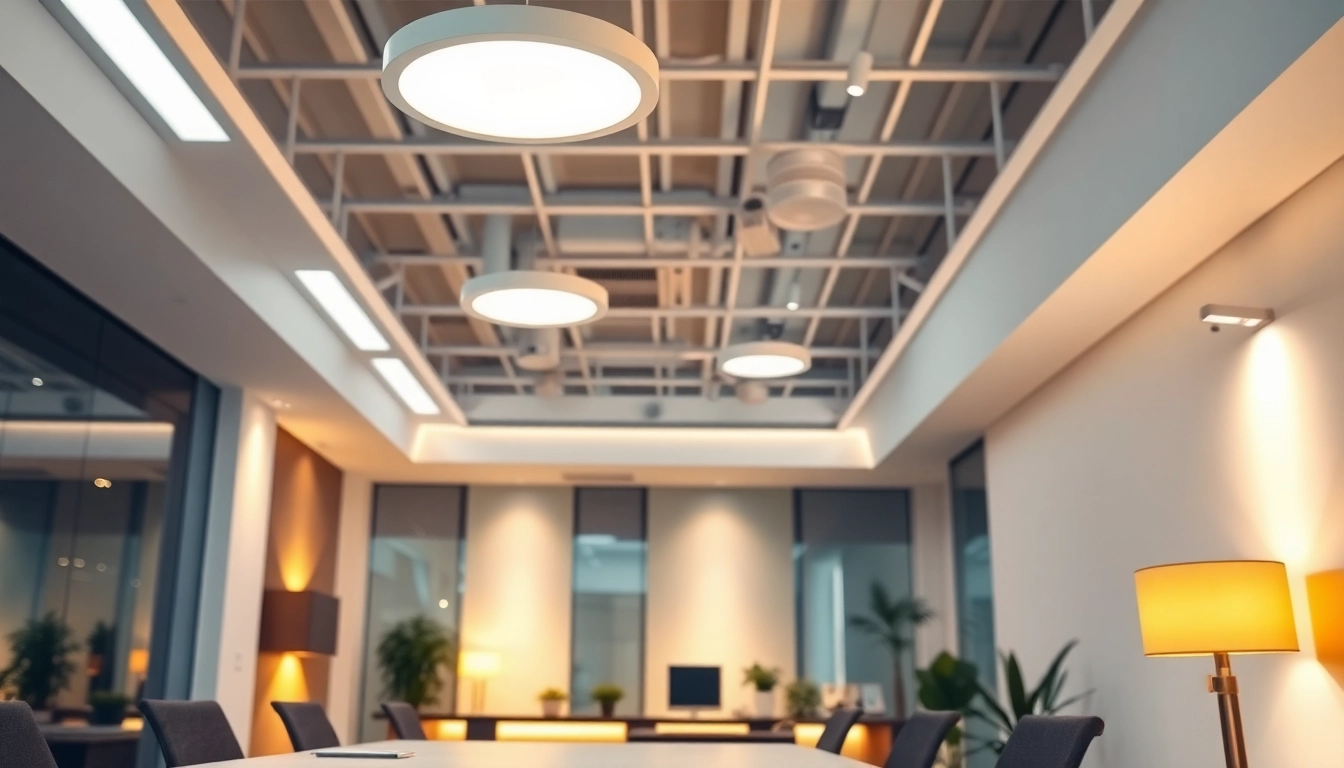
Lighting solutions encompass a wide range of products and technologies designed to provide illumination in various environments, from residential homes to commercial facilities. These solutions go beyond mere light bulbs; they include fixtures, smart control systems, and energy-efficient technologies aimed at enhancing both functionality and aesthetics within a space. In essence, lighting solutions are integral to creating an environment that is not only well-lit but also visually appealing and conducive to its intended use. Incorporating lighting solutions can elevate the atmosphere, influence mood, and even improve productivity.
Importance of Effective Lighting
Effective lighting plays a critical role in our daily lives, impacting health, mood, and productivity. Proper illumination can reduce eye strain, enhance visual clarity, and create inviting atmospheres. In workplaces, studies show that well-lit environments lead to increased employee efficiency and morale. Similarly, in homes, lighting can create warm and welcoming spaces or energizing environments, depending on the time of day and intended activity. Effectively designed lighting solutions can also enhance safety, reducing accidents by ensuring visibility in critical areas.
Types of Lighting Solutions Available
Several types of lighting solutions cater to various needs and preferences:
- Ambient Lighting: General illumination that provides uniform light throughout a space.
- Task Lighting: Focused lighting used for specific activities such as reading or cooking.
- Accent Lighting: Decorative lighting used to highlight architectural features, art, or landscaping.
- Smart Lighting: Advanced systems allowing for automated control, dimming, and customization through apps or smart home technology.
- Sustainable Lighting: Energy-efficient solutions designed to reduce environmental impact and save on energy costs.
Choosing the Right Lighting Solutions
Assessing Your Space Needs
When selecting lighting solutions, it’s crucial to assess your space needs meticulously. Begin by evaluating the size and layout of your area. Open-concept spaces may benefit from layered lighting, combining ambient, task, and accent lighting to create a cohesive environment. Zones requiring specific lighting might need focused solutions such as under-cabinet lights in kitchens or pendants over dining areas. Consider how different activities will take place in the space and ensure that the lighting provides adequate visibility without causing glare or shadows.
Design Aesthetics and Lighting Solutions
It’s essential to consider the design aesthetics when integrating lighting solutions. Lighting should complement the overall decor and architectural style of the space. For instance, modern spaces might benefit from sleek, minimalist fixtures, while a classic home could embrace ornate chandeliers or vintage sconces. Color temperature also plays a vital role—warmer tones can create an inviting atmosphere, while cooler shades often offer a more energetic feel. Aim for a balance where lighting enhances the existing design rather than competes with it.
Functional vs. Decorative Lighting
Understanding the difference between functional and decorative lighting is vital in crafting a well-lit environment. Functional lighting serves practical purposes—guaranteeing adequate visibility for tasks. Decorative lighting, however, is more about aesthetics, adding to the ambiance and character of a space. A balanced lighting plan combines both elements, utilizing functional lights where necessary while incorporating decorative fixtures that serve as focal points or artistic expressions. The right combination not only improves the space’s functionality but also enriches its overall aesthetic appeal.
Implementing Lighting Solutions
DIY Tips for Installation
Many lighting solutions can be installed as DIY projects, allowing homeowners to personalize their spaces and save on costs. Before starting, gather essential tools like screwdrivers, a drill, and wire strippers. Always ensure that power is turned off at the circuit breaker when working with electrical fixtures. When mounting fixtures, use a level to ensure they’re aligned correctly, and follow manufacturer instructions carefully. For those new to electrical work, opting for plug-in solutions or replacing bulbs can be an excellent way to ease into lighting installation without extensive risk.
Professional Installation Services
While many lighting tasks can be accomplished DIY, hiring professionals for more complex installations is advisable. Tasks involving hardwired fixtures, complicated lighting layouts, or smart systems can benefit from professional expertise. Electricians ensure compliance with safety codes, reducing the risk of electrical faults. They can also provide insights on optimal placements to maximize lighting effectiveness and adjust circuits as necessary for circuit load management.
Budgeting for Your Lighting Project
Budgeting for lighting solutions requires careful consideration of both initial costs and long-term savings from energy-efficient options. Begin by defining your lighting goals and the various types of fixtures required. Include installation costs, whether DIY or professional, and consider the potential savings from energy-efficient lighting solutions. Remember, investing in quality fixtures may lead to a higher upfront cost but could save money in the long run through reduced electricity bills and longer lifespans of bulbs and fixtures.
Innovative Trends in Lighting Solutions
Smart Lighting Technology
Smart lighting technology is revolutionizing how we interact with light in our spaces. These systems can be controlled via smartphones or smart home systems, offering users unparalleled convenience. Features such as scheduling, brightness adjustment, and remote access make smart lighting an attractive solution for modern homes and offices. Especially popular are systems that allow users to sync their lights with music or other ambient features, enhancing the sensory experience of a space.
Sustainable and Energy-Efficient Options
Sustainable lighting solutions are qualities that prioritize environmental responsibility and energy consumption reduction. LED bulbs, for instance, consume significantly less energy than traditional incandescent bulbs while offering longer life spans. Many manufacturers are also developing solar-powered options, allowing users to harness a renewable energy source. As consumers become increasingly eco-conscious, seeking out sustainable lighting solutions is not just beneficial for the planet but also aligns with modern shopping trends.
Minimalist vs. Statement Lighting Designs
The design landscape of lighting has evolved towards two contrasting trends—minimalist and statement lighting. Minimalist designs focus on simplicity and functionality, often featuring clean lines and understated aesthetics. This style is particularly popular in contemporary homes where less can be more. On the other hand, statement lighting highlights bold, artistic designs that serve as focal points in rooms. These fixtures can act as conversation starters and enhance the overall character of a space. Finding the right balance between these two styles can create visually captivating interiors that cater to personal taste.
FAQs on Lighting Solutions
How do I choose the right lighting solution for my space?
Consider the size of your space, the purpose of the room, and your aesthetic preferences when selecting lighting solutions.
What are the benefits of using energy-efficient lighting solutions?
Energy-efficient lighting solutions reduce electricity costs and contribute to environmental sustainability by consuming less energy.
Can I install lighting solutions myself?
Yes, many lighting solutions can be installed as DIY projects, but professional help is recommended for complex installations.
How does lighting affect mood and productivity?
Proper lighting enhances mood, improves focus, and boosts productivity by creating a conducive atmosphere for working and relaxing.
What are some popular lighting trends?
Current trends include smart lighting, minimalistic designs, and using natural light to maximize space ambiance.