Understanding Pest Prevention Basics
Pest prevention is an essential component of maintaining a healthy home and garden. It involves proactive measures designed to thwart pests before they can establish a foothold. Understanding the ins and outs of pest management can help homeowners safeguard their properties against infestations effectively. With the latest trends and techniques in pest prevention, it's easier than ever to keep your living spaces pest-free while also being environmentally conscious. For valuable insights on pest prevention, let’s delve into the fundamental aspects.
What is Pest Prevention?
Pest prevention refers to a series of strategies and practices intended to deter pests from entering homes, gardens, or commercial properties. This proactive approach seeks to create an environment that is less hospitable to pests, thereby minimizing the need for reactive pest control measures. Common methods of pest prevention include sealing entry points, maintaining cleanliness, and making strategic landscape choices that discourage pest habitation.
Key Benefits of Effective Pest Management
- Health Protection: Many pests can carry diseases that affect humans and pets, such as fleas, ticks, and mosquitoes. Effective pest management reduces exposure to these health risks.
- Property Value Preservation: Pests like termites and rodents can cause significant structural damage, leading to costly repairs. Regular pest management helps maintain property value.
- Enhanced Comfort: A pest-free environment is simply more enjoyable. Eliminating pests leads to less stress and a higher quality of life for residents.
- Environmental Considerations: Sustainable pest prevention practices protect the ecosystem by minimizing harmful chemicals and promoting biodiversity.
Common Misconceptions About Pest Control
Many people harbor misconceptions about pest control that can hinder effective management. One prevalent myth is that pest control is only necessary when an infestation is visible. In truth, preventing pests before they become an issue is far more effective and less costly. Other misconceptions include the belief that all pest control methods are harmful to the environment or that professional services are always needed. In reality, a combination of DIY methods and professional interventions can lead to optimal results.
Identifying Common Garden Pests
Recognizing the types of pests that may invade your garden is crucial for effective pest prevention. Being able to identify garden pests, along with their signs of infestation, ensures that proactive measures can be taken before excessive damage occurs.
Top 10 Pests That Affect Gardens
- Aphids: Small, soft-bodied insects that suck sap from plants, leading to wilted foliage.
- Spider Mites: Tiny pests that create fine webbing on plants and can cause yellowing leaves.
- Slugs and Snails: Often do considerable damage to soft plant tissue, particularly at night.
- Whiteflies: Known for their powdery appearance and potential to spread diseases between plants.
- Japanese Beetles: A vibrant pest that devours foliage, flowers, and fruit.
- Leaf Miners: Larvae that burrow into leaves, causing unsightly trails and blotches.
- Caterpillars: The larvae of butterflies and moths can munch on plant leaves voraciously.
- Mealybugs: Look like small cotton masses on plants and weaken them by sucking sap.
- Cutworms: Often found near the soil surface, they can sever young plants at the base.
- Termites: Although usually associated with wood, termites can also damage garden structures.
Signs of Pest Infestation
- Unusual Damage: Look for holes in leaves, chewed bark, or unexplained plant wilting.
- Presence of Insects: Look closely to spot active insects or their droppings.
- Webbing: Spider mites often leave behind fine webs, which can indicate an infestation.
- Stunted Growth: Plants that fail to grow could be suffering from pest-related stress.
Identifying Beneficial Insects for Pest Control
While it’s essential to manage harmful pests, it’s equally important to protect beneficial insects that contribute positively to your garden. These insects help control pest populations and pollinate plants.
- Ladybugs: Natural predators of aphids and other soft-bodied pests.
- Lacewings: Their larvae are effective in consuming aphids, mealybugs, and mites.
- Parasitic Wasps: These wasps lay their eggs on or inside pest insects, effectively controlling their populations.
- Bees: Critical for pollination, supporting the growth of fruits and vegetables.
Eco-Friendly Pest Prevention Strategies
In a world increasingly concerned about sustainability, finding eco-friendly pest prevention strategies is essential. These methods not only protect your garden and home from pests, but they also help preserve the environment.
Using Natural Repellents and Barriers
There are various natural substances that can deter pests without harming beneficial insects or the environment. For example, essential oils like peppermint and eucalyptus can repel ants and other insects, making them great alternatives to chemical deterrents.
Companion Planting for Pest Management
Companion planting involves growing certain plants together to naturally repel pests or encourage beneficial insects. For instance, planting marigolds alongside vegetables can deter nematodes and aphids.
Homemade Organic Pesticides: Recipes and Uses
Homemade organic pesticides can be crafted from household items to tackle specific pest problems. Here are a few recipes:
- Garlic Spray: Blend garlic cloves with water, strain, and spray on affected plants to deter aphids and spider mites.
- Soap Spray: Mix liquid soap with water to create a solution that suffocates soft-bodied insects.
- Neem Oil: Extracted from the neem tree, it disrupts pest life cycles and is effective against a wide range of insects.
Implementing Routine Inspections
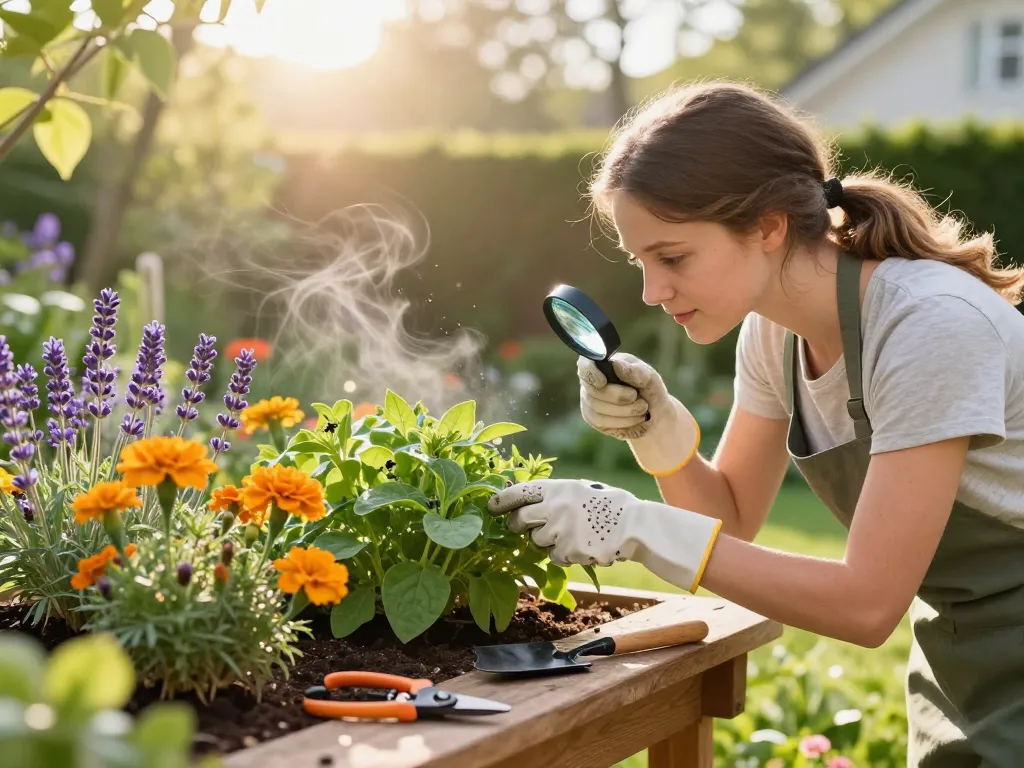
Routine inspections are a core part of pest prevention. Regular checks can help you identify any potential pest issues before they escalate into significant problems.
Best Practices for Regular Garden Checks
- Examine plants thoroughly for signs of pests and disease.
- Inspect the soil for signs of insect activity.
- Keep track of pest sightings and damage to monitor trends.
Tools Needed for Effective Inspections
Having the right tools at hand can make inspections more efficient. Essential tools include:
- Hand Lens: Helps see small pests and their eggs clearly.
- Garden Gloves: Protect your hands while inspecting for pests.
- Soil Thermometer: Checks soil conditions that may attract pests.
Documenting Pest Activity Trends Over Time
Keeping a record of pest sightings and any damage can help you identify patterns and take preventive actions more effectively. Utilize a garden journal to log observations.
Future Trends in Pest Prevention (2026 and Beyond)
As pest management continues to evolve, new trends emerge that promise to enhance the effectiveness of pest prevention strategies. Staying informed about these trends is crucial for homeowners and gardening enthusiasts alike.
Technological Innovations in Pest Management
Technology is rapidly changing the landscape of pest prevention. Innovations like smart sensors can monitor pest activity and environmental conditions, enabling real-time decision-making for pest management strategies.
Sustainable Practices for Long-Term Pest Prevention
As environmental concerns rise, sustainable pest prevention techniques are gaining prominence. Practices such as integrated pest management (IPM) focus on minimizing the use of chemical pesticides and maximizing environmentally friendly methods.
Professional Pest Control vs. DIY Approaches
Many homeowners face the decision of whether to tackle pest issues themselves or rely on professional services. While DIY methods can be effective, complex infestations may require expert intervention to ensure thorough elimination and prevention.
How can I prevent pests naturally?
Preventing pests naturally involves practicing good sanitation, sealing entry points, and employing natural repellents. By understanding the habits of your garden, you can create an environment that is less attractive to pests.
What plants are best for pest prevention?
Certain plants, such as marigolds, basil, and lavender, can serve as excellent deterrents to various pests. Incorporating these into your garden can enhance your pest prevention strategy while adding beauty.
When is the best time to inspect for pests?
The best time to inspect for pests is during the early morning or late afternoon when temperatures are moderate. Regular checks throughout the growing season are ideal for keeping pests at bay.
How do I identify beneficial insects in my garden?
Beneficial insects can often be identified by their unique characteristics. For example, ladybugs have a distinct red-and-black appearance, while lacewings are known for their delicate wings. Familiarizing yourself with common beneficial insects can help protect them.