Understanding Vinyl Plank Flooring and Its Benefits
In the ever-evolving world of home improvement, flooring choices can make or break the aesthetic appeal and functionality of a space. Among the multitude of options available, vinyl plank flooring has emerged as a standout choice for homeowners looking to balance elegance with practicality. This article will delve deep into what vinyl plank flooring is and explore its many advantages, helping you make an informed decision for your home.
What is Vinyl Plank Flooring?
Vinyl plank flooring, often abbreviated as LVP (Luxury Vinyl Plank), is a highly versatile flooring option made from multiple layers of synthetic materials. These layers are fused together to create a durable, water-resistant surface that mimics the appearance of hardwood, stone, or tile. The core of vinyl plank flooring is made from polyvinyl chloride (PVC), which gives it resilience against scratches, moisture, and heavy foot traffic.
The flooring is typically composed of four key layers:
- Wear Layer: The topmost layer, which protects against scratches and stains.
- Printed Vinyl Layer: Provides the look of natural wood or stone.
- Core Layer: Offers stability and supports the plank.
- Backing Layer: Ensures comfort and moisture resistance.
Advantages of Choosing Vinyl Plank Flooring
Opting for vinyl plank flooring comes with numerous benefits, making it an appealing choice for many households. Here are some of the standout advantages:
1. Durability
Vinyl plank flooring is designed to withstand the rigors of daily life. With its tough wear layer, it resists scratches, dents, and stains, making it an ideal choice for high-traffic areas like living rooms and hallways.
2. Water Resistance
This flooring type is known for its exceptional water resistance, making it a superb option for moisture-prone areas such as kitchens and bathrooms. Its synthetic materials do not absorb moisture, helping to prevent mold and mildew.
3. Easy Installation
Many vinyl plank flooring products come with a click-lock mechanism, allowing for straightforward DIY installation. This feature reduces the need for professional help and can save on installation costs.
4. Comfort and Warmth
The cushioning provided by vinyl plank flooring makes it comfortable underfoot compared to harder surfaces like tile. Furthermore, it offers warmth, which can make a home feel cozier, especially in colder climates.
5. Aesthetic Variety
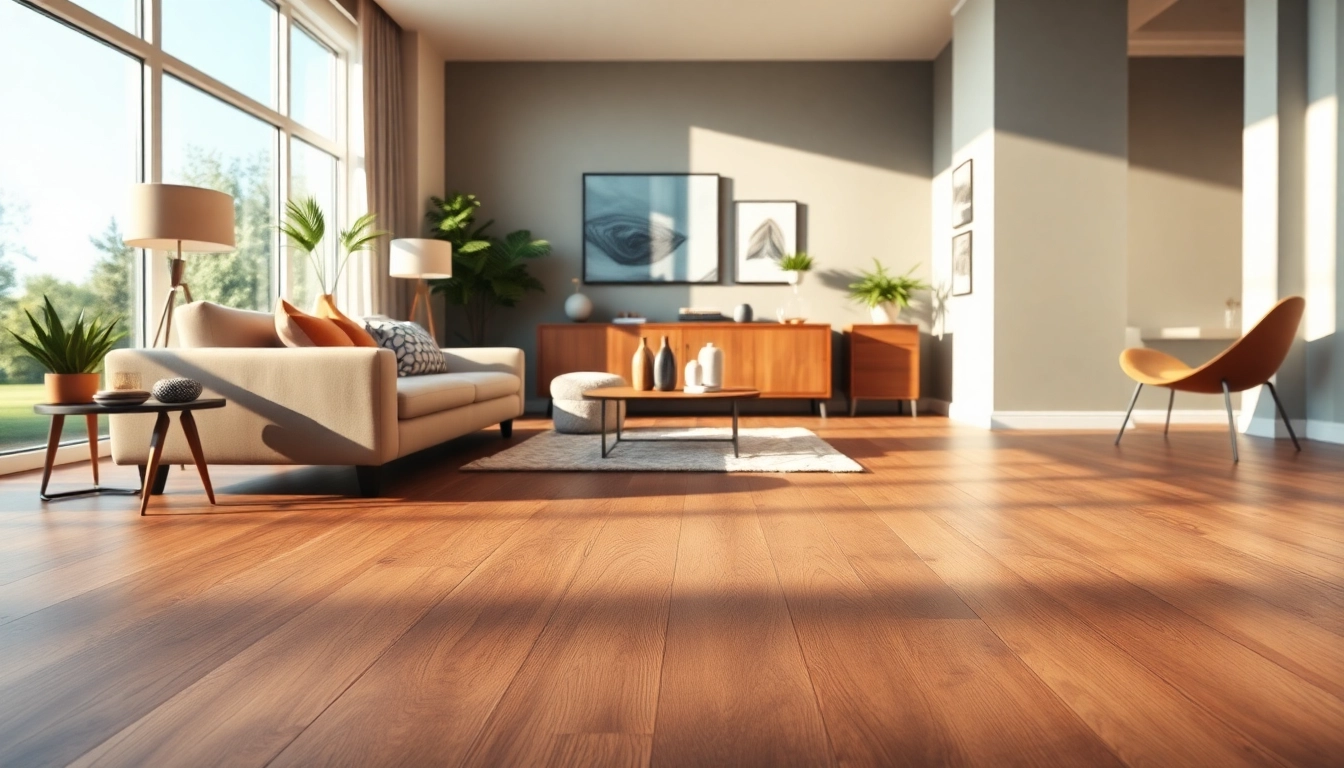
Vinyl plank flooring comes in various styles, colors, and textures. Homeowners can choose options that closely resemble the look of natural wood or high-end stone without compromising budget or practicality.
Common Misconceptions About Vinyl Plank Flooring
Despite its popularity, some myths surrounding vinyl plank flooring can lead to misunderstandings. Here are some common misconceptions dispelled:
1. It’s Cheap Quality
While vinyl plank flooring can be more affordable than hardwood, it doesn't mean it's of lower quality. Many luxury vinyl options provide a high-end look and feel, competing well against more expensive flooring types.
2. Not Eco-Friendly
Contrary to popular belief, there are eco-friendly vinyl flooring options available. Many manufacturers are focusing on sustainable practices and using recyclable materials in the production processes.
3. Difficult to Clean
Some believe vinyl plank flooring is hard to maintain; however, it’s quite the opposite. Regular sweeping and mopping are all that’s typically needed to keep it looking new, making it one of the low-maintenance flooring solutions available.
Choosing the Right Vinyl Plank Flooring for Your Home
Choosing the right vinyl plank flooring requires an understanding of your specific needs and preferences. Below are the factors you should consider when making your selection.
Factors to Consider When Selecting Vinyl Plank Flooring
Before purchasing vinyl plank flooring, consider the following factors to ensure you make an informed decision:
1. Thickness
Thickness can impact the durability and comfort level of the flooring. Thicker planks usually provide better sound absorption and comfort underfoot, ideal for residential spaces.
2. Water Resistance Rating
Evaluate the water resistance rating to determine the best fit for areas prone to moisture. Tiles with a higher rating are better suited for spaces like bathrooms and basements.
3. Style and Color
Consider the existing decor of your home. Choose colors and styles that complement your interior design to enhance your space’s overall appeal.
4. Texture
Textured surfaces can add depth and realism, closely mimicking natural flooring materials. Decide whether you prefer a natural hardwood feel or a smoother finish.
How to Match Vinyl Plank Flooring with Your Interior Design
Integrating vinyl plank flooring into your home effectively requires an eye for design. Here are some strategies:
1. Coordinate with Color Schemes
Select shades of vinyl plank flooring that either contrast or complement existing colors in your home. Neutral tones can provide a seamless blend, while bold colors can serve as statement pieces.
2. Consider Open Space Flow
Ensure that the vinyl plank flooring you choose aligns with the floor choices in adjoining areas to maintain a cohesive flow through your home.
3. Use Accent Rugs
Incorporate area rugs to define spaces and add a layer of comfort and style. Rugs can help bridge different flooring types and enhance your overall design aesthetic.
Exploring Finishes and Textures in Vinyl Plank Flooring
The finish and texture of vinyl plank flooring significantly contribute to its appearance and performance. Consider the following:
1. Gloss vs. Matte Finishes
Glossy finishes tend to highlight the beauty of the vinyl and add brightness to a room, while matte finishes create a subtle, contemporary look and are better at concealing dirt and scratches.
2. Textured Surfaces
Textured planks not only add realism to the aesthetics by mimicking natural woods, but they also provide better traction, making them safer in wet or slippery environments.
Vinyl Plank Flooring Installation: A Step-by-Step Guide
Installing vinyl plank flooring can be a rewarding DIY project. This section outlines the essential steps to guide you through the installation process.
Preparation for Vinyl Plank Flooring Installation
Before starting the installation, it’s crucial to prepare the space adequately. Follow these steps:
1. Clear the Area
Remove any existing flooring, furniture, and make sure the subfloor is clean and free from debris.
2. Check for Level
Ensure that the subfloor is level. Use a leveling compound for any uneven areas; proper leveling is essential for a successful installation.
3. Acclimate the Planks
Allow the vinyl planks to acclimate in the installation area for at least 48 hours. This practice helps prevent warping due to temperature or humidity changes.
DIY vs Professional Installation of Vinyl Plank Flooring
Deciding whether to go the DIY route or hire professionals depends on your confidence and skill level. Here are the pros and cons of each:
DIY Installation
Pros include cost savings and the satisfaction of completing a project yourself. However, it may require time and patience, especially for novice installers.
Professional Installation
Opting for a professional installer ensures a flawless finish. However, it can be more expensive. Evaluating your budget and your comfort level with DIY projects will help you decide.
Common Installation Challenges and Solutions
Even with careful planning, challenges can arise during installation. Here are some common issues and how to address them:
1. Difficult Cuts
For intricate cuts, a jigsaw or a utility knife may be needed. Patience and precision are critical to achieving a clean finish.
2. Humidity Issues
If humidity levels are high, ensure the installation area has adequate ventilation. Allow the planks to acclimate longer if needed.
3. Alignment Problems
Use spacers to maintain proper expansion gaps along walls. Checking alignment during the installation process prevents complications down the line.
Maintaining Your Vinyl Plank Flooring for Longevity
To get the maximum lifespan from your newly installed vinyl plank flooring, proper maintenance is essential. Follow these tips for optimal care.
Cleaning and Caring for Vinyl Plank Flooring
Keeping your vinyl plank flooring clean is simple and requires minimal effort. Here’s how:
1. Regular Cleaning
Use a soft-bristle broom or a vacuum cleaner to remove dirt and debris. Follow up with a damp mop and a gentle cleaner designed for vinyl flooring.
2. Avoid Harsh Chemicals
Steer clear of abrasive cleaners that can damage the surface. Always check for manufacturer-recommended maintenance products.
Tips to Prevent Damage to Vinyl Plank Flooring
Implementing preventative measures can significantly extend the life of your flooring:
1. Use Doormats
Placing doormats at entryways can minimize dirt and grime from being tracked into the house, ultimately protecting your flooring.
2. Furniture Pads
Attach felt pads to the bottom of all furniture legs to help prevent scratches when moving items across the floor.
Signs Your Vinyl Plank Flooring Needs Repair
Monitoring your vinyl plank flooring for signs of wear can help you address issues before they become major problems:
1. Discoloration
If you notice fading or loss of color in areas, consider re-sealing to restore its original beauty.
2. Loose Planks
Any planks that begin to lift or separate may need to be secured or replaced, ensuring level and safe flooring.
Frequently Asked Questions About Vinyl Plank Flooring
Is vinyl plank flooring waterproof?
Yes, many vinyl plank flooring options are designed to be waterproof, making them ideal for moisture-prone areas like kitchens and bathrooms.
How long does vinyl plank flooring last?
Vinyl plank flooring can last over 20 years with proper care, making it a durable choice for high-traffic areas.
Can vinyl plank flooring be installed over existing floors?
In many cases, vinyl plank flooring can be installed over existing hard floors, but it's vital to ensure the surface is level and clean.
What flooring is better: vinyl plank or laminate?
Vinyl plank flooring generally offers better moisture resistance compared to laminate, making it a superior option for humid environments.
Is it easy to install vinyl plank flooring?
Vinyl plank flooring is user-friendly and can often be installed as a DIY project, especially with click-lock designs, requiring minimal tools.