Introduction to Vinyl Plank Flooring
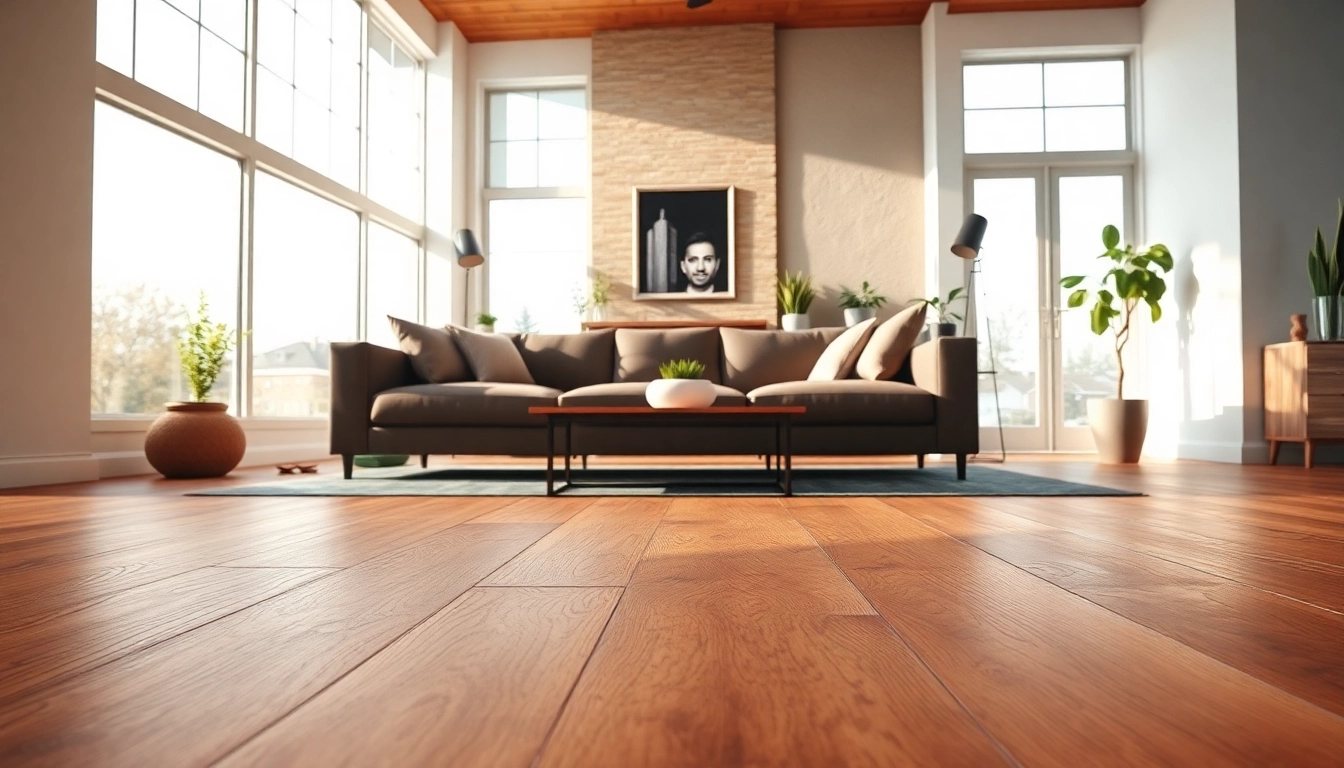
As homeowners seek solutions that blend aesthetics with functionality, vinyl plank flooring has emerged as a popular choice. This versatile flooring option mimics the look of traditional hardwood while delivering robust performance, making it an attractive alternative for anyone looking to elevate the elegance of their home.
What is Vinyl Plank Flooring?
Vinyl plank flooring is a synthetic flooring material designed to resemble natural wood or stone. It consists of multiple layers, including a wear layer, design layer, and core layer, all engineered to provide durability, comfort, and style. Available in various designs and colors, vinyl plank flooring can effectively simulate the appearance of hardwood, tile, or stone, providing homeowners with design flexibility.
Key Advantages of Vinyl Plank Flooring
- Affordability: Compared to traditional hardwood or stone flooring, vinyl plank options are significantly more budget-friendly without sacrificing aesthetic appeal.
- Water Resistance: Most vinyl plank flooring is water-resistant or waterproof, making it suitable for moisture-prone areas like kitchens and bathrooms.
- Easy Installation: Vinyl plank flooring can often be installed as a DIY project, thanks to its click-lock systems, which save time and labor costs.
- Low Maintenance: With simple cleaning routines, vinyl plank flooring remains looking new for years.
Benefits of Vinyl Plank Flooring
Durability and Longevity
One of the standout features of vinyl plank flooring is its impressive durability. Engineered with a high-performance wear layer, this flooring is resistant to scratches, dents, and stains, making it an excellent choice for high-traffic areas. With proper care and maintenance, vinyl plank flooring can last anywhere from 10 to 30 years, making it a long-term investment for homeowners.
Water Resistance and Easy Maintenance
Given its water-resistant or waterproof characteristics, vinyl plank flooring is a natural fit for kitchens, baths, and basements. Cleaning is straightforward; regular sweeping and occasional mopping with a damp cloth suffice to keep it in optimal condition. Additionally, most vinyl planks are designed to resist mold and mildew growth, further enhancing their practicality in moisture-prone environments.
Cost-Effectiveness of Vinyl Plank Flooring
Vinyl plank flooring typically comes at a lower price point than hardwood and tile flooring, making it accessible to a wider range of budgets. Besides the initial cost savings, the longevity and minimal maintenance needs of vinyl flooring lead to lower lifetime costs when compared to alternatives, allowing homeowners to enjoy beautiful floors without the associated high price tag.
Installation Guide for Vinyl Plank Flooring
Preparation Steps for Installation
Before beginning the installation process, it’s crucial to prepare the subfloor adequately. Ensure it’s clean, dry, and level. Remove any existing flooring, and address any issues like squeaks or unevenness to create the perfect foundation for your vinyl planks. It’s often advisable to acclimate the vinyl planks in the room where they will be installed for at least 48 hours to avoid expansion or contraction post-installation.
Installing Vinyl Plank Flooring: A Step-by-Step Process
1. Start by laying out the first row of planks against a wall, keeping an expansion gap of about ¼ inch to allow for natural expansion and contraction.
2. Use the appropriate locking mechanism (if applicable) by sliding the planks in place and pressing them together until you hear a click.
3. Continue laying rows of planks, staggering the seams for a more natural look. Utilize a tapping block and pull bar to ensure tight seams, especially on the final row.
4. Once installed, reattach baseboards or add new trim to cover expansion gaps, ensuring a seamless transition from the floor to walls.
Common Mistakes to Avoid
Many homeowners make installation blunders that can cause long-term issues. These mistakes include:
- Ignoring the manufacturer's instructions: Always adhere to the guidelines provided by the flooring manufacturer for the best results.
- Failing to acclimate: Skipping this step can lead to warping or buckling.
- Improper insulation: Ensure that any moisture barrier is correctly installed, especially when laying vinyl over concrete.
Styling Your Home with Vinyl Plank Flooring
Complementing Decor with Vinyl Plank Flooring Styles
Vinyl plank flooring offers a myriad of design options ranging from rustic to modern. Opt for wider planks for a contemporary aesthetic or narrower planks if you're looking for a more traditional feel. By matching the color palette and texture of your flooring to your existing decor, you'll create a cohesive and inviting atmosphere.
Creating Different Ambiances
The color and finish of the vinyl planks chosen can dramatically affect the ambiance of a room. Darker shades instill warmth and a touch of elegance, while lighter colors create an airy and spacious feel. Incorporating different laying patterns, like herringbone or diagonal, can also add character and uniqueness to your space.
Mixing Materials: Vinyl and Other Elements
To achieve a layered and balanced look, consider mixing vinyl plank flooring with other materials like tiles or natural stone. For instance, combining vinyl planks in open-concept spaces with tile in kitchens or bathrooms can delineate areas without the need for physical barriers.
FAQs About Vinyl Plank Flooring
How long does vinyl plank flooring last?
Vinyl plank flooring can last anywhere from 10 to 30 years, depending on the quality of the material and proper maintenance.
Is vinyl plank flooring suitable for kitchens?
Yes, vinyl plank flooring is ideal for kitchens due to its water resistance and easy-to-clean surface, making it a practical choice.
Can vinyl plank flooring be installed over carpet?
Installing vinyl plank over carpet is not recommended, as it will not provide a stable surface and may lead to issues later on.
How to clean vinyl plank flooring?
To clean, sweep or vacuum regularly and mop occasionally with a damp cloth using mild soap or a specially formulated vinyl cleaner to maintain its shine.
What is the best way to install vinyl plank flooring?
The best way is to prepare a clean, dry subfloor, allow planks to acclimate, and follow the click-lock installation method for steady results.