
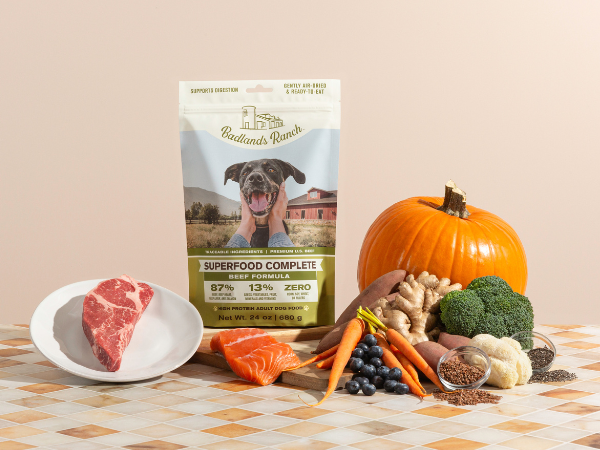
Introduction: The Importance of a Smooth Transition
Switching your dog to a new food can be a stressful experience for both pets and owners. Dogs’ digestive systems are sensitive, and abrupt changes in diet can lead to digestive upset, including diarrhea, vomiting, or loss of appetite. This is why understanding how to transition your dog to Badlands Ranch Dog Food is crucial. Known for its high-quality air-dried formulation, Badlands Ranch Dog Food provides nutrient-rich, digestible ingredients that support your dog’s overall health. A careful, gradual transition ensures your dog receives these benefits without discomfort.
Why Gradual Transition Matters
Dogs’ gastrointestinal tracts are designed to adapt slowly to changes in diet. Abruptly switching foods can disrupt gut flora and lead to digestive issues. Transitioning gradually helps your dog:
- Adjust to new protein and nutrient sources
- Avoid stomach upset
- Maintain regular bowel movements
- Adapt to the taste and texture of the new food
By following a step-by-step approach, pet owners can ensure a smooth adjustment period and improve the likelihood that dogs will enjoy their new meals.
Step-by-Step Guide to Transitioning
Step 1: Start Small
Begin by mixing a small portion of Badlands Ranch Dog Food with your dog’s current food. For example, start with 25% Badlands Ranch Dog Food and 75% of the old food. This introduces new flavors and nutrients gently.
Step 2: Increase Gradually
Over the course of 7–10 days, gradually increase the proportion of Badlands Ranch Dog Food while reducing the old food. A sample schedule:
- Days 1–3: 25% new food, 75% old food
- Days 4–6: 50% new food, 50% old food
- Days 7–8: 75% new food, 25% old food
- Day 9–10: 100% Badlands Ranch Dog Food
This method allows the digestive system to adapt naturally.
Step 3: Monitor Your Dog
Observe your dog for any signs of digestive discomfort, such as loose stools, vomiting, or reduced appetite. Minor changes are normal, but persistent symptoms may indicate that the transition needs to be slowed.
Step 4: Adjust as Needed
Every dog is unique. Some may transition faster, while others require more time. Flexibility is key. If your dog experiences mild digestive upset, maintain the current food ratio for a few extra days before continuing.
Tips for a Successful Transition
Keep Mealtime Consistent
Feed your dog at the same times each day to regulate digestion. Consistency helps the gastrointestinal system adjust to the new diet.
Hydration is Important
Air-dried foods like Badlands Ranch Dog Food are nutrient-dense and slightly lower in moisture than fresh food. Always provide plenty of fresh water to support digestion and hydration.
Observe Energy Levels and Coat Condition
A successful transition is not only about digestion. Watch your dog’s energy, mood, and coat health. Improvements in these areas often indicate that the new food is well-tolerated and nutritionally beneficial.
Benefits of Switching to Badlands Ranch Dog Food
High Digestibility
Thanks to the air-dried process, proteins and nutrients are more easily absorbed. Dogs with sensitive stomachs often experience firmer stools and reduced bloating after switching.
Nutrient-Rich Superfood Ingredients
Badlands Ranch Dog Food contains superfoods such as blueberries, pumpkin, and spinach. These ingredients provide antioxidants, fiber, and essential vitamins to support immunity, digestion, and overall health.
Flavor and Palatability
Dogs are naturally drawn to the rich taste of air-dried meat and vegetables. A gradual introduction helps them appreciate the new flavor without resistance.
Long-Term Health Benefits
Consistent feeding of high-quality, air-dried nutrition supports muscle development, a shiny coat, improved digestion, and sustained energy. Transitioning carefully ensures that dogs receive these benefits safely.
Real-Life Example
Consider Daisy, a five-year-old Golden Retriever. Daisy was used to conventional kibble but suffered mild digestive upset and low energy. Her owner transitioned her to Badlands Ranch Dog Food gradually, following the recommended schedule. Within two weeks, Daisy adapted completely, showing increased energy, a healthier coat, and improved digestion. This example demonstrates how a careful transition can maximize the benefits of a high-quality diet.
Common Mistakes to Avoid
- Switching Abruptly: Sudden changes can cause diarrhea or vomiting.
- Ignoring Hydration: Dogs may become dehydrated if water intake is insufficient.
- Overfeeding During Transition: Maintain proper portion sizes to prevent stomach upset and weight gain.
- Skipping Monitoring: Regularly observe your dog’s digestion, appetite, and energy levels.
Conclusion: Making the Change Stress-Free
Transitioning your dog to Badlands Ranch Dog Food doesn’t have to be stressful. By following a gradual, step-by-step approach and monitoring your dog’s response, you can ensure a smooth changeover. The air-dried benefits of Badlands Ranch Dog Food provide nutrient-rich, easily digestible ingredients that support your dog’s health, energy, and happiness. A thoughtful transition sets the stage for long-term wellbeing and a more enjoyable mealtime experience for your dog. Stay connected with the latest trends—start on our homepage.
Frequently Asked Questions
How long does it take for a dog to adjust to Badlands Ranch Dog Food?
Most dogs adjust within 7–10 days when transitioning gradually. Some dogs may require a few extra days depending on their sensitivity and digestive health.
Can I mix Badlands Ranch Dog Food with wet food during transition?
Yes, mixing with wet food can help improve palatability and ease the transition. Ensure that the combined portion maintains balanced nutrition and monitor your dog’s digestion.
What should I do if my dog has digestive upset during the transition?
If mild digestive issues occur, slow down the transition process by keeping your dog on the current food ratio for a few extra days. Consult your veterinarian if symptoms persist or worsen.