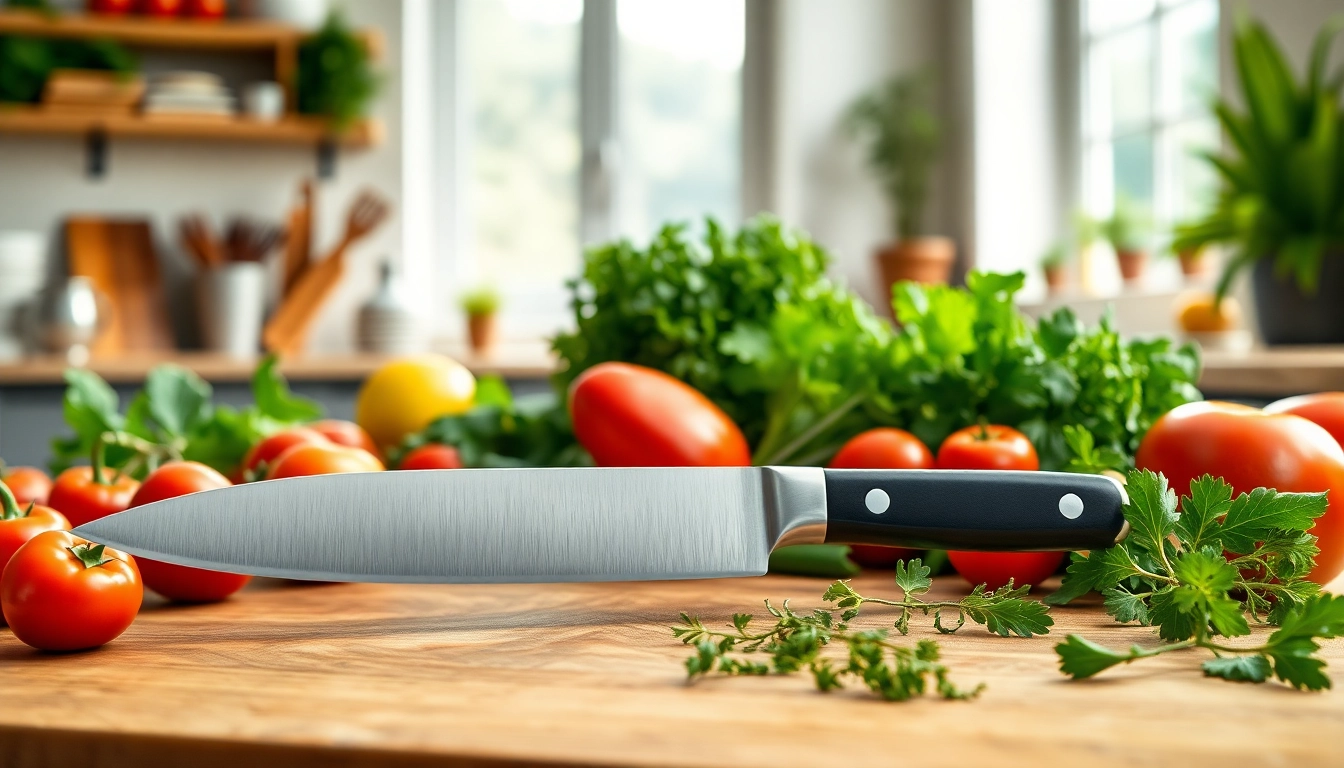
Understanding Knife Basics
Choosing the right kitchen knife is an essential skill for both novice and seasoned chefs. Among various kitchen tools, the chef's knife stands out as the most versatile. Mastering how to choose a chef’s knife can transform your cooking experience, enabling you to cut, chop, and prepare ingredients effortlessly. Below, we dive deep into understanding the essential aspects that make a great chef's knife.
Types of Chef's Knives
Chef's knives come in various types, each tailored to different tasks in the culinary world. The most common types include:
- Western Chef's Knife: This knife features a broad blade, typically between 8 to 10 inches, and is ideal for slicing, dicing, and chopping. It often has a curved edge, allowing a rocking motion while cutting.
- Japanese Chef's Knife (Gyuto): Lighter than the Western version, the Gyuto often has a thinner blade and is well-suited for precision cuts. The blade typically ranges from 7 to 10 inches.
- Santoku Knife: This Japanese knife is ideal for slicing, dicing, and mincing. It has a shorter blade (typically 5 to 7 inches) and often features a flat edge with a granton (indentations) that help reduce friction.
Blade Materials Explained
The material used for a chef’s knife blade significantly impacts performance, longevity, and maintenance. Key materials include:
- High-carbon Stainless Steel: Holds an edge well and is resistant to rust. It's popular for its combination of durability and ease of maintenance.
- Damascus Steel: Known for its beautiful patterns, it combines several steel types, offering durability and superior sharpness.
- Carbon Steel: Easier to sharpen and holds an edge longer but is prone to rust without proper care.
How Weight Affects Performance
Weight plays a crucial role in a chef's knife's functionality. A heavier knife can cut through denser foods, while a lighter knife allows for quicker movements and may reduce fatigue. Finding the right balance of weight that complements your cutting style will enhance your culinary efficiency.
Key Features of a Chef's Knife
Choosing a chef's knife goes beyond the blade type and material; it involves understanding various features that affect performance and comfort.
Ergonomic Handle Design
The handle design is pivotal in ensuring comfort during prolonged use. An ergonomic grip provides better control and reduces hand fatigue. Look for handles made from materials like wood, plastic, or rubber that offer a secure grip, especially when wet.
The Importance of Balance
A well-balanced knife feels just right in your hand. This balance is typically achieved when the weight of the blade and the handle complements each other, allowing for effortless maneuverability. Testing a knife's balance before purchase is crucial to ensure it fits your style.
Blade Length and Its Impact on Use
Blade length varies, typically from 6 to 12 inches. A longer blade offers flexibility for larger tasks, while shorter blades afford greater precision in smaller, intricate cuts. Assess your cooking habits to determine the ideal length for your needs.
How to Choose a Chef’s Knife for Your Cooking Style
Your cooking style significantly influences the choice of a chef's knife. Understanding your culinary preferences will guide your decision-making process.
Assessing Your Cooking Habits
Evaluate how often you cook and what type of meals you prepare. If you regularly chop vegetables or prepare large cuts of meat, a larger, heavier knife may be necessary. If your meals involve intricate preparation, a lighter knife with a sharper edge would be more suitable.
Professional vs Home Use
Professional chefs often require knives that withstand daily use and rigorous conditions. For home cooks, selecting a versatile knife that is easy to handle and maintain is vital. Determine your cooking frequency and style to figure out your primary usage needs.
Choosing Blade Thickness
Thicker blades provide durability for heavy-duty tasks, while thinner ones are more suited for precise cuts. The thickness should align with your typical food preparation methods—heavier for butchering, thinner for filleting or intricate cuts.
Testing and Comparing Knives
Before making a final decision, hands-on testing of knives is essential to ensure you choose one that fits well with your comfort and cutting techniques.
How to Evaluate Comfort
Try several knives to find one that feels comfortable in your hand. A good knife should allow for multiple grips and allow you to chop without discomfort. Pay attention to how the handle fits in your palm, and feel for any pressure points.
Hands-On Testing Tips
Visit a kitchen supply store where you can hold different knives. Assess how each knife balances in your hand, how easily it cuts through various foods, and whether it feels secure when chopping.
Where to Find Quality Knives
Quality chef's knives can be found at specialty kitchen stores, reputable online retailers, or through culinary schools. Always verify customer reviews and ratings before purchasing to ensure you're investing in a reliable tool.
Maintaining Your Chef's Knife
Proper maintenance is crucial to prolong the life and functionality of your chef's knife. Understanding how to care for your knife will keep it sharp and effective.
Sharpening Techniques
Regular sharpening is necessary to maintain a keen edge. Use whetstones, honing steel, or professional sharpening services. Take time to learn the right angles and techniques to sharpen effectively without damaging the blade.
Proper Cleaning Methods
Cleaning methods influence the knife's durability. Always hand wash with warm, soapy water immediately after use. Avoid the dishwasher, as heat and moisture can deteriorate the handle and blade. Dry thoroughly before storing.
Storage Solutions to Preserve Quality
Knife safety and longevity require proper storage. Magnetic strips, wooden blocks, or blade guards all provide safe housing for your knife, preventing dullness and accidental injuries. Ensure your knife is stored in a manner that protects its cutting edge.
Frequently Asked Questions
What is the difference between a chef's knife and a paring knife?
A chef's knife is designed for larger tasks like chopping and slicing, while a paring knife is small and ideal for intricate work such as peeling and trimming.
How often should I sharpen my chef's knife?
It depends on usage; generally, sharpen the knife every few months, or whenever you notice it losing its edge, to maintain performance.
Can I use a chef’s knife for everything?
While versatile, a chef's knife isn't ideal for every task. Use it for chopping, slicing, and dicing, but use specialized knives for tasks like filleting fish or carving meat.
What is the best way to hold a chef's knife?
For safety and precision, grip the handle near the bolster (the thick part where the blade meets the handle) with your dominant hand and pinch the blade with your thumb and forefinger for better control.
Are expensive chef's knives worth it?
High-quality chef's knives often provide better performance, durability, and comfort. Investing in a reputable knife can enhance your cooking experience.