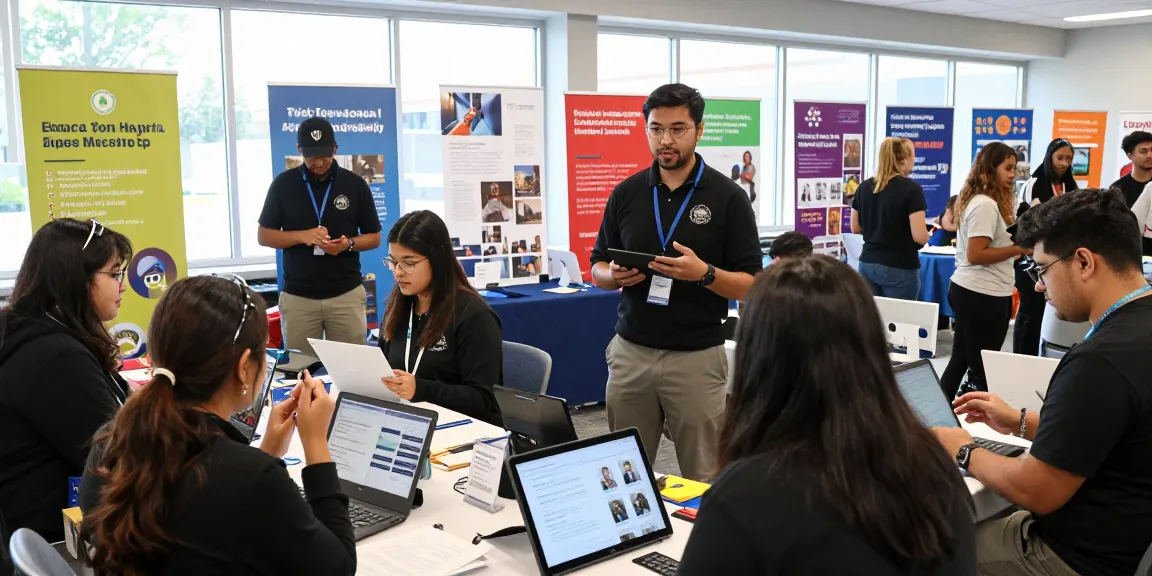
The Evolution of Apprenticeships in 2026
As we navigate through 2026, the landscape of Apprenticeships has undergone significant transformations, reflecting changes in workforce demands, technological advancements, and the educational needs of young professionals. This article delves into the current state of apprenticeships, their historical roots, the benefits they offer, and the challenges that must be addressed to make these programs more effective and inclusive for aspiring candidates.
What are Apprenticeships Today?
In contemporary terms, apprenticeships represent a vital bridge between education and employment. These structured training programs combine practical, on-the-job experience with theoretical education, allowing apprentices to gain skills and knowledge that are directly applicable to their chosen fields. They can be found in various sectors, ranging from traditional trades like plumbing and electrical work to modern industries such as information technology, healthcare, and digital marketing.
The History of Apprenticeships: A Brief Overview
The concept of apprenticeships is not new; it dates back to ancient civilizations where young individuals learned a craft by working alongside experienced artisans. In the Middle Ages, guilds began formalizing these arrangements, establishing standards for training and skills acquisition. Fast forward to the 20th century, and apprenticeships were reshaped under governmental influence to address economic challenges, resulting in the structured programs we recognize today.
Key Changes in Apprenticeship Structures Over the Years
Over the decades, apprenticeships have evolved from predominantly male-dominated programs focusing on trades to inclusive options that cater to various sectors and demographics. Initiatives in the late 20th and early 21st centuries have expanded access to these opportunities, emphasizing inclusivity and the incorporation of technology in training methodologies.
Benefits of Apprenticeships for Young Professionals
The advantages of participating in an apprenticeship are numerous and impactful, particularly for young professionals seeking to establish their careers.
Financial Advantages: Earning While Learning
One of the most compelling benefits of apprenticeships is the financial aspect. Participants earn a salary while they learn, allowing them to mitigate student debt and gain financial independence. This model not only provides immediate income but also helps apprentices avoid the burden of traditional college tuition fees.
Career Advancement: Skills that Employers Value
Apprenticeships equip individuals with hands-on experience and practical skills that employers highly value. As industries continue to evolve, the demand for skilled professionals who can effectively navigate new technologies and methodologies has never been greater. Apprenticeships enable candidates to develop this skill set while simultaneously demonstrating their commitment and work ethic to potential employers.
Networking Opportunities: Building Professional Connections
Apprenticeships offer invaluable networking opportunities that can lead to long-term career success. Working alongside established professionals in a specific field allows apprentices to build relationships that can open doors for future job opportunities, mentorships, and industry insights. These connections often prove beneficial in navigating the complexities of career progression.
Challenges Facing Apprentices in 2026
Despite their numerous benefits, apprenticeships are not without challenges. Understanding these hurdles is essential for both candidates and employers as they work towards creating a more effective apprenticeship framework.
Common Misconceptions About Apprenticeships
One of the prevalent misconceptions surrounding apprenticeships is the perception that they are only for individuals who are unable or unwilling to pursue higher education. In reality, many successful professionals choose apprenticeships to accelerate their careers and obtain specialized skills that are often not taught in traditional academic settings.
Addressing Workplace Diversity and Inclusion
While apprenticeships are becoming more accessible, there remains a pressing need to address issues of diversity and inclusion. Many industries still struggle with gender and racial representation, which can hinder the effectiveness of apprenticeship programs. Employers must prioritize creating inclusive environments that welcome and support a diverse range of candidates.
Navigating the Balance Between Work and Study
Apprentices often face the challenge of balancing work commitments with their educational requirements. This dual responsibility can lead to stress and burnout if not managed effectively. Employers should provide support systems that help apprentices navigate their workloads while encouraging open communication regarding any challenges they face.
Best Practices for Finding the Right Apprenticeship
For those seeking apprenticeship opportunities, understanding the best practices for navigating this landscape can make a significant difference in outcomes.
Researching Sectors and Relevant Opportunities
Prospective apprentices should begin by thoroughly researching industries that interest them and identifying specific companies that offer apprenticeship programs. Job boards, company websites, and industry associations can be valuable resources for finding relevant opportunities that align with personal career goals.
Preparing an Application that Stands Out
A standout application is crucial in a competitive market. Candidates should tailor their resumes and cover letters to highlight relevant skills and experiences, showcasing their enthusiasm for the chosen field. Including any previous work experience, volunteer work, or relevant coursework can enhance an application’s effectiveness.
Interview Tips for Apprenticeship Candidates
When preparing for interviews, candidates should practice common interview questions related to their chosen field and be ready to articulate their motivations for pursuing an apprenticeship. Demonstrating knowledge about the company and industry trends can also leave a positive impression on potential employers.
The Future of Apprenticeships: Trends and Predictions
As we look ahead, several trends are shaping the future of apprenticeships, highlighting the need for adaptation in a rapidly changing workforce landscape.
Technological Innovations Impacting Apprenticeships
Technological advancements are revolutionizing the apprenticeship model. Virtual reality (VR) and augmented reality (AR) technologies are beginning to play a role in training, allowing apprentices to immerse themselves in simulated workplaces that enhance their learning experience. Additionally, online resources and platforms facilitate access to training materials, further complementing traditional methods.
The Role of Remote Learning in Apprenticeships
The rise of remote work has necessitated a shift in how apprenticeships are structured. Many programs are now incorporating online learning components, allowing apprentices to attend classes and participate in training from anywhere. This flexibility can attract a broader range of candidates, making apprenticeships more accessible than ever.
Looking Ahead: What Will the Apprenticeship Landscape Look Like?
As the demand for skilled labor continues to grow, the apprenticeship landscape is expected to evolve significantly over the next decade. We may witness an increase in cross-industry collaborations, where businesses partner with educational institutions to create hybrid programs that effectively combine theory and practical application. A commitment to inclusivity and diversity will also remain at the forefront, promoting equal opportunities for all aspiring apprentices.
What is an apprenticeship?
An apprenticeship is defined as a paid job where the employee learns alongside skilled professionals. It typically includes both on-the-job training and classroom-based instruction, leading to a recognized qualification in the specific field.
How do apprenticeships benefit employers?
Employers benefit from apprenticeships by gaining access to a pool of motivated candidates who are eager to learn and contribute to the workforce. By investing in training their apprentices, companies can tailor skills to meet their specific needs, ensuring a more competent workforce in the long term.
What industries offer the best apprenticeship opportunities?
Industries such as healthcare, technology, construction, and manufacturing currently offer some of the best apprenticeship opportunities. These sectors are experiencing rapid growth and high demand for skilled workers, making them attractive fields for aspiring apprentices.
How can I apply for an apprenticeship successfully?
To apply successfully, candidates should conduct thorough research, prepare tailored applications, and practice for interviews. Networking with industry professionals can also provide valuable insights and enhance their chances of securing a position.
Are apprenticeships worth it in 2026?
Given the diverse benefits outlined—financial stability, skill development, and career advancement—apprenticeships remain a worthwhile investment for many individuals in 2026. As the job market continues to evolve, these programs will play a crucial role in shaping the workforce of the future.