Understanding Commercial Roofing Services
In the world of construction and maintenance, the roof of a commercial building stands as one of the most critical components of the structure. The right type of roofing ensures safety, durability, and compliance with various regulations. This is where commercial roofing services come into play. These specialized services cater to the unique needs of businesses, ensuring their roofs are not only installed correctly but also maintained over time.
What Are Commercial Roofing Services?
Commercial roofing services encompass a broad range of activities related to the installation, maintenance, and repair of roofs for commercial buildings. Unlike residential roofing, commercial roofing requires a specialized approach because of the larger scale, different materials, and specific functionality needs of these structures. These services include everything from roofing material selection to installation processes and ongoing maintenance plans.
Importance of Commercial Roofing
Investing in quality commercial roofing is essential for several reasons. Firstly, a well-maintained roof protects the overall structural integrity of the building. It safeguards valuable assets inside including equipment and inventory, thereby minimizing potential losses due to water damage, leaks, or mold. Additionally, a good roof can significantly enhance energy efficiency, lowering utility costs and contributing to sustainability efforts. Furthermore, compliance with state and federal building codes can protect businesses from legal repercussions and fines.
Types of Commercial Roofing Systems
The choice of a roofing system can depend on numerous factors, such as climate, building design, and budget. Some common types of commercial roofing systems include:
- Built-Up Roofing (BUR): This traditional system consists of multiple layers of asphalt and felt creating a waterproof barrier.
- Single-Ply Membranes: Popular for their flexibility, these systems (e.g., TPO, PVC) are easy to install, lightweight, and energy-efficient.
- Metal Roofing: Known for durability and longevity, metal roofs are resistant to extreme weather and require less maintenance.
- Modified Bitumen: This system combines the benefits of BUR with modern materials, allowing for easier installation and maintenance.
- Green Roofs: These environmentally friendly systems incorporate vegetation, providing insulation and reducing heat absorption.
Benefits of Professional Roofing Services
Hiring professional roofing services tailored for commercial buildings comes with a multitude of advantages. It’s not merely about having a roof over your head; it is about ensuring that roof is effective, efficient, and dependable.
Enhanced Safety and Compliance
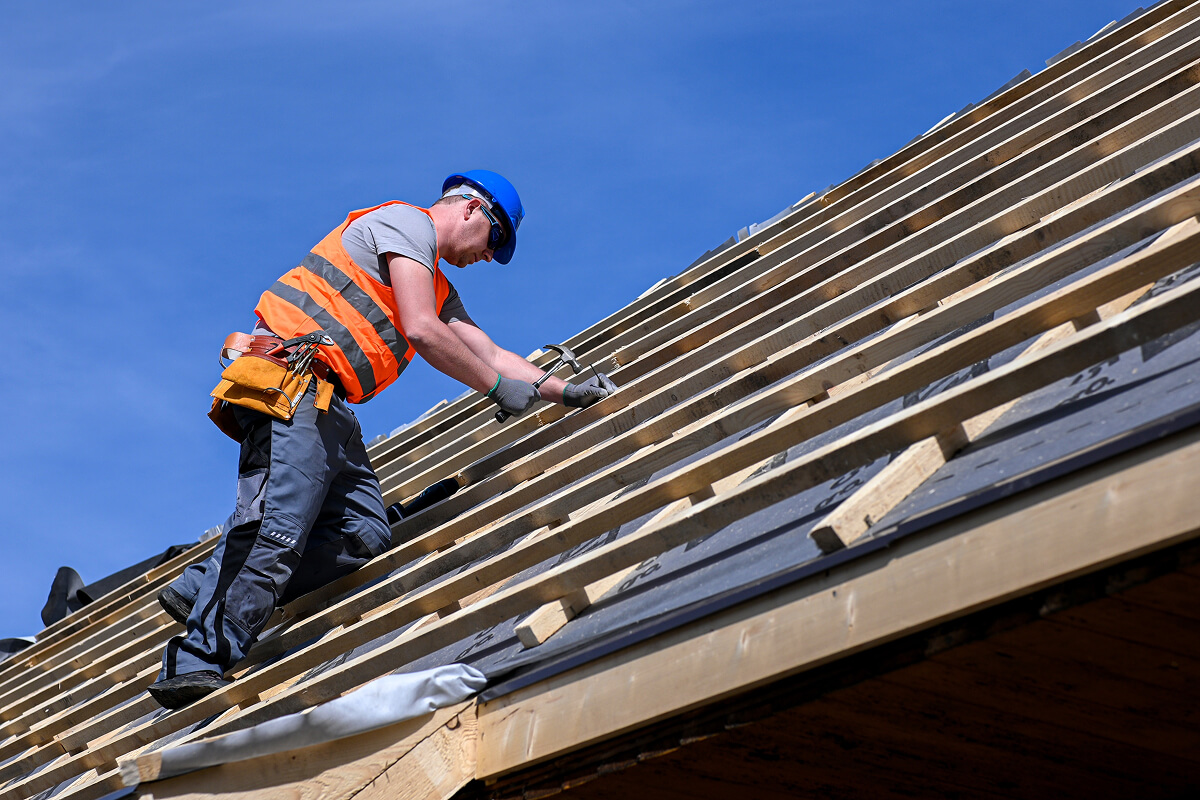
Safety is paramount when it comes to commercial roofing. Professional roofing contractors are well-versed in safety regulations and standards, ensuring that all installation and repair work complies with local laws. This minimizes the risk of accidents during installation and provides a safe environment for the workers and any occupants of the building.
Cost-Effectiveness Over Time
While initial costs might appear higher with professional services, the long-term savings realized through energy efficiency, minimal maintenance requirements, and prevention of costly repairs offset these expenses. A professionally installed roof that is well-maintained can last significantly longer than a poorly executed installation.
Long-Lasting Durability
High-quality materials combined with expert installation lead to exceptional durability. Commercial roofing professionals can provide a warranty on their services, offering peace of mind that the work done can withstand the elements and time. This durability not only protects the monetary investment but also enhances the quality of life for those within the building.
Choosing the Right Roofing Contractor
The selection of a roofing contractor is a pivotal decision that can influence the success of your commercial roofing project. It’s essential to engage a reputable contractor who understands the nuances of commercial roofing.
Key Qualities to Look For
When searching for a suitable contractor, consider these key attributes:
- Experience: A contractor with substantial experience in commercial roofing ensures they understand the complexities involved.
- Licensing and Insurance: Ensure the contractor is properly licensed and insured to protect yourself from liabilities.
- Positive Reviews: Client testimonials can provide insight into the quality of work and reliability.
- Clear Communication: A good contractor should be able to communicate the project scope, timelines, and processes effectively.
How to Verify Credentials
Verifying a contractor’s credentials is critically important. Start by checking their official licensing through state or local registries. Look for certifications from roofing material manufacturers, as these suggest a contractor’s expertise and adherence to best practices. Consider requesting references and follow up with past clients to inquire about their experiences.
Gathering and Comparing Quotes
Don’t settle on the first quote you receive. Gather multiple estimates to understand the market rate for commercial roofing services. Ensure you compare not just the total cost but the specifics regarding materials, labor, timelines, and warranties. An effective comparison will aid in identifying the best value and making a well-informed decision.
Maintenance and Repair of Commercial Roofs
Regular maintenance is key to extending the lifespan of a commercial roof. A proactive maintenance plan can help identify minor issues before they escalate into costly repairs.
Routine Maintenance Practices
Establishing a routine maintenance schedule should include inspections at least twice a year, especially before and after severe weather seasons. Activities should involve cleaning gutters, checking flashings, inspecting seams, and addressing any debris on the roof. This routine can help keep the roof in top condition and save money in the long run.
Signs That Repairs Are Needed
Being proactive about repairs can prevent significant issues down the line. Signs that your roof may need repairs include water stains on ceilings, curling or missing shingles, and visible wear around flashing and seams. If you notice excessive granules in gutters or pooling water on flat roofs, it is time to consult a professional.
Understanding the Repair Process
The repair process typically begins with a thorough inspection to assess damage and determine the best course of action. Repair options may range from minor patchwork to complete roof replacements, depending on the extent of degradation. Professionals will discuss findings and recommend appropriate solutions tailor-fit to the specific situation, ensuring transparency throughout the process.
FAQ – Your Questions Answered
What is included in commercial roofing services?
Commercial roofing services include roof installation, maintenance, repairs, inspections, and consultations to ensure optimal performance and compliance with regulations.
How often should commercial roofs be inspected?
Commercial roofs should ideally be inspected twice a year, particularly before and after severe weather conditions, to detect and rectify any issues early.
What factors affect the cost of commercial roofing?
Factors impacting costs include roof size, type of materials, complexity of the project, disposal fees for old roofing, and labor costs.
How long should a commercial roof last?
The lifespan of a commercial roof can vary widely based on materials and maintenance but generally ranges from 15 to over 50 years with proper care.
What are the environmental impacts of commercial roofing?
Environmental impacts can include heat absorption and urban heat islands. However, using green roofing materials can help improve efficiency and reduce emissions.