Introduction to the p80 pf940v2 Frame Kit
The world of firearms has witnessed a significant increase in interest regarding custom builds, with enthusiasts eager to create their personalized versions. The p80 pf940v2 frame kit stands out as a popular choice among these builders. This guide delves into the details of the p80 pf940v2, including its features, benefits, assembly process, and maintenance tips, ensuring that both novice and seasoned builders can navigate their journey with confidence.
What is the p80 pf940v2?
The p80 pf940v2 is an 80% lower frame kit designed to allow firearms enthusiasts to create their own custom pistol. By purchasing an 80% kit, builders can enjoy the satisfaction of completing their firearm without the need for a Federal Firearms License (FFL), as the kit is not considered a firearm until fully assembled. This enables users to tailor their firearm to their personal tastes, specifications, and desired functionalities.
Key Features and Benefits
The p80 pf940v2 showcases several key features that make it attractive to DIY builders:
- Durable Construction: Made from high-quality polymer, the p80 pf940v2 is engineered for resilience, ensuring reliability during operation.
- User-Friendly Design: The kit’s ergonomic design offers improved handling and comfort, ideal for extended use.
- Customization Options: Users can customize their frame with various finishes, grips, and internal components, making each p80 pf940v2 unique.
- Cost-Effective: Building a firearm can be significantly cheaper than purchasing a pre-assembled model, especially for those who value personalization.
Understanding the Components
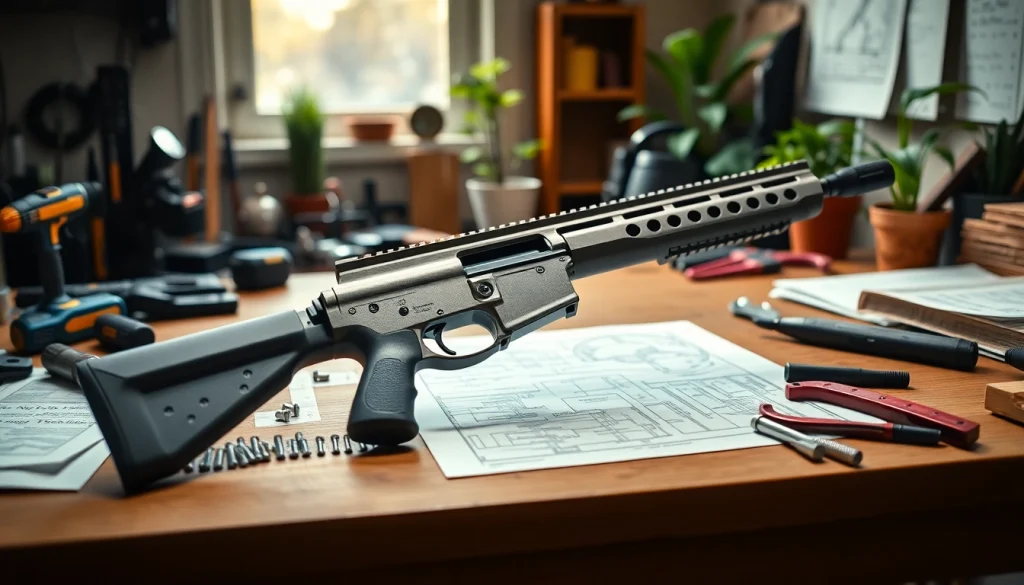
To construct a firearm with the p80 pf940v2, one must understand its individual components. The kit typically includes the lower frame itself, an assortment of parts such as the trigger assembly, locking block, rails, and an 80% manufacturer cut frame. Each of these components plays a crucial role in the overall functionality and performance of the finished firearm.
Preparation for Assembly
Tools Required for Building
Before embarking on the assembly of the p80 pf940v2, having the right tools is essential. The necessary tools include:
- Drill Press or Hand Drill
- Router or Dremel Tool
- File Set
- Calipers
- Screwdrivers (various sizes)
- Torque Wrench
- Clamps
Safety Precautions to Consider
Safety is paramount when building any firearm. Follow these precautions to ensure a safe working environment:
- Always wear safety goggles and a dust mask when cutting or drilling.
- Keep a first aid kit nearby for emergencies.
- Work in a well-ventilated area to avoid inhaling harmful fumes or dust.
- Ensure that tools are in proper working order and follow manufacturer instructions.
Understanding Local Regulations
Before starting the assembly of the p80 pf940v2, it is crucial to be aware of local laws and regulations related to firearm assembly and ownership. Laws may vary by state or region, so checking with local authorities or legal repositories can prevent potential legal issues down the road.
Step-by-Step Assembly Guide
Constructing the Frame
With preparations complete, it’s time to assemble the p80 pf940v2. The first step is constructing the frame. Begin by securing your frame in a vise before marking the locations for drill holes based on the provided template. Use a drill press for better precision. Drill through marked areas for the trigger and locking block, being cautious to maintain alignment.
Adding Internal Components
Once the frame is constructed, the next step is to integrate the internal components. This typically involves inserting the locking block and trigger assembly. Following the instructions included with the kit, carefully fit these components into place while adding any necessary lubricants to ensure smooth operation. Utilize a torque wrench to correctly tighten screws and maintain stability.
Finishing Touches and Customization
After assembling the internal parts, it’s time for finishing touches. This may involve sanding down rough edges or adding custom grips or enhancements like stippling or Cerakote finishes for aesthetics and improved handling. Personalization helps to ensure the p80 pf940v2 reflects the owner’s style while enhancing functionality.
Troubleshooting Common Issues
Identifying Assembly Mistakes
Even experienced builders can encounter mistakes during assembly. Common issues may include misaligned components or jams during operation. If the firearm doesn’t function properly, reassess each step of the assembly, ensuring that parts are seated correctly and screws are properly tightened. Keeping a checklist can be helpful for identifying potential oversights.
Maintenance Tips for Longevity
Regular maintenance is crucial for ensuring the longevity and reliability of your p80 pf940v2. Here are some best practices:
- Regularly clean the firearm after each use to keep the mechanism free of debris.
- Check moving parts for wear and replace them as necessary.
- Store the firearm in a dry, cool place to prevent corrosion.
Modification Suggestions
For users looking to further enhance the p80 pf940v2, modifications can include changing out the trigger for a lighter pull or upgrading to aftermarket sights for improved accuracy. Consider researching platform-specific modifications to see what other builders have successfully implemented for even better performance.
FAQs about the p80 pf940v2
What materials are used in the p80 pf940v2?
The p80 pf940v2 is made from durable polymer, ensuring strength and resilience for reliable performance.
Is it legal to assemble the p80 pf940v2?
Legality varies by location; always check local laws regarding firearm assembly and ownership.
Can I customize my p80 pf940v2?
Yes, users can customize their p80 pf940v2 with various accessories and finishes to suit personal preferences.
How long does it take to assemble the p80 pf940v2?
Assembly time varies, but typically it takes several hours depending on experience and complexity.
What is the warranty for the p80 pf940v2?
The warranty can differ; review purchase details for specific information regarding manufacturing defects.