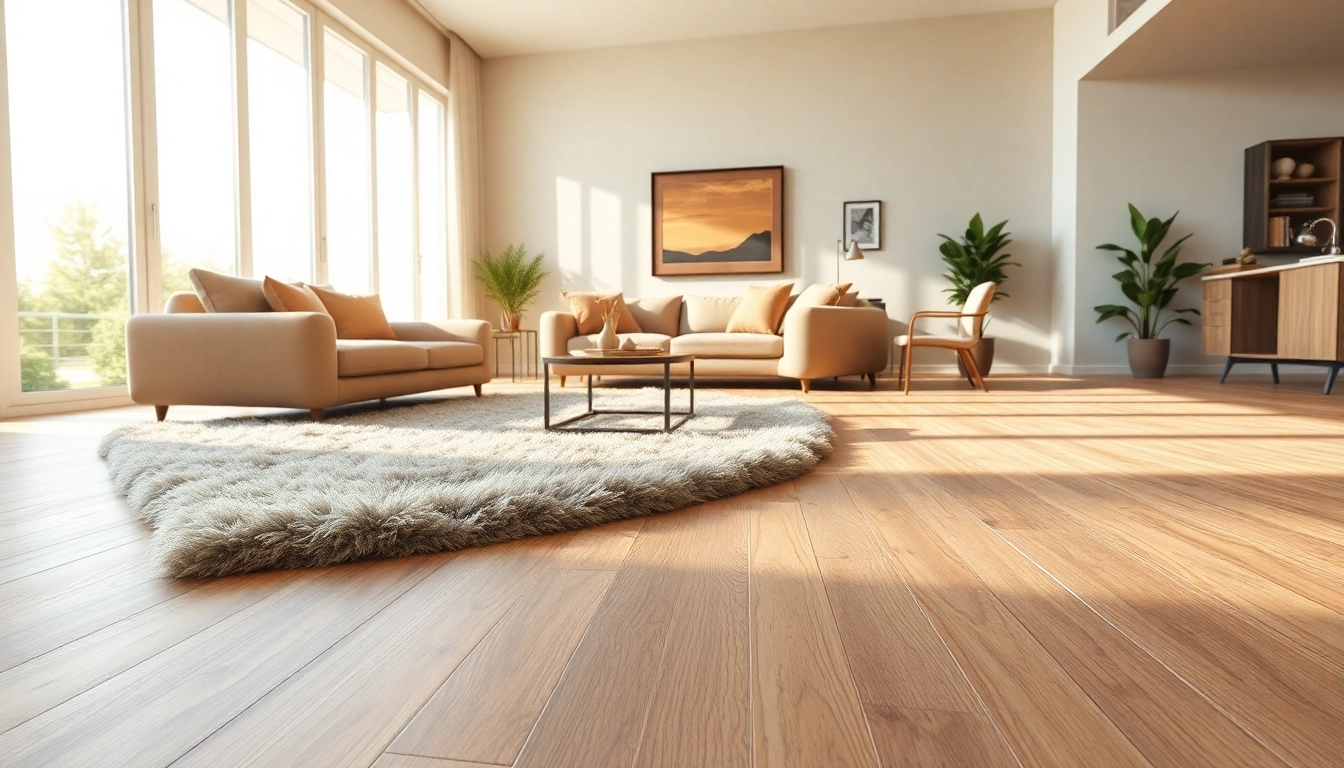
Understanding Vinyl Plank Flooring
What is Vinyl Plank Flooring?
Vinyl plank flooring is a popular, versatile flooring option made from layers of polyvinyl chloride (PVC) and other materials. Known for its resemblance to hardwood, tile, or stone, it provides a cost-effective alternative that is both aesthetically pleasing and functional. The design of vinyl planks comes in a variety of colors and textures, making it easier to match with various interior styles. Furthermore, vinyl plank flooring is often favored for its waterproof properties, especially in areas prone to moisture exposure.
Types of Vinyl Plank Flooring
Vinyl plank flooring is categorized into several types, each suited for different environments and preferences. The main categories include:
- Luxury Vinyl Plank (LVP): Offers high-quality visuals and durability, often featuring a thicker wear layer for added protection.
- Rigid Core Vinyl Plank: Features a core layer that provides additional support and stability, making it suitable for diverse applications.
- Click Lock Vinyl Plank: Designed for easy installation, featuring interlocking edges that eliminate the need for glue or nails.
Benefits of Vinyl Plank Flooring
Choosing vinyl plank flooring comes with numerous advantages:
- Waterproof: Ideal for kitchens, bathrooms, and basements, vinyl planks resist water damage.
- Durability: Vinyl planks can withstand heavy foot traffic, scratches, and dents, making them perfect for homes with pets or children.
- Easy Installation: Many vinyl variations allow for DIY installation, saving time and labor costs.
- Low Maintenance: Simply requiring regular sweeping and occasional mopping to keep it looking its best.
- Affordability: Generally more budget-friendly compared to hardwood or tile flooring options.
Installation Process of Vinyl Plank Flooring
Preparation and Tools Required
Proper preparation is key to a successful installation of vinyl plank flooring. Before you begin, gather the necessary tools:
- Measuring tape
- Utility knife or vinyl plank cutter
- Spacing wedges
- Multi-functional flooring tool
- Level
- Hammer
Next, prepare your subfloor by ensuring it’s clean, dry, and level. Any imperfections can impact the installation and longevity of the flooring.
Step-by-Step Installation Guide
- Measure the Area: Carefully measure the length and width of the room to determine how many planks you’ll need.
- Acclimate the Planks: Before installation, leave the planks in the designated room for at least 48 hours to adjust to the environment.
- Lay Out a Starting Line: Use a chalk line to create a straight edge to guide your installation, ensuring the first row is aligned properly.
- Install the First Row: Place the planks along the starting line, using spacers to maintain a gap between the wall and plank.
- Continue Laying Planks: Stagger the seams for added stability and aesthetics, following the manufacturer’s instructions on how to connect the planks.
- Finish the Edges: Remove spacers and install baseboards or quarter round to hide expansion gaps.
Common Installation Mistakes to Avoid
To ensure a smooth installation, be mindful of these common pitfalls:
- Not acclimating the planks can lead to expansion and contraction later.
- Failing to measure accurately may result in wasted materials or unsightly gaps.
- Ignoring underlayment options can affect comfort and soundproofing.
Caring for Your Vinyl Plank Flooring
Cleaning Techniques and Best Practices
To keep your vinyl plank flooring in prime condition, employ the following cleaning techniques:
- Regularly sweep or vacuum to remove dirt and debris.
- Use a damp mop with a mild detergent while avoiding excessive water, as it can seep into seams.
- Choose cleaning products specifically formulated for vinyl to prevent damage.
Maintenance Tips for Longevity
For long-lasting performance, consider these maintenance tips:
- Place mats at entryways to reduce wear from outdoor contaminates.
- Use furniture pads to prevent scratches from heavy items.
- Periodically inspect the flooring for any signs of damage and address them promptly.
Handling Damages and Repairs
While vinyl plank flooring is durable, it can sustain damage. Here’s how to handle repairs:
- For minor scratches, use a vinyl repair kit matching your floor’s color.
- If a plank is severely damaged, it can often be replaced individually without disturbing surrounding planks.
- Consult with professionals if extensive repairs are required to ensure the integrity of your flooring.
Comparing Vinyl Plank Flooring with Other Options
Vinyl Plank Flooring vs. Laminate
Both vinyl plank flooring and laminate offer attractive aesthetics, but they have distinct differences:
- Water Resistance: Vinyl is waterproof, while laminate can be susceptible to moisture.
- Durability: Vinyl tends to handle scratches and dents better than laminate.
- Price Point: Laminate can sometimes be slightly cheaper, but the cost between both is similar in many cases.
Vinyl Plank Flooring vs. Hardwood
When choosing between vinyl plank flooring and hardwood, consider the following:
- Cost: Vinyl is typically less expensive than hardwood.
- Maintenance: Vinyl requires less maintenance compared to the regular upkeep of hardwood.
- Aesthetic Variety: Vinyl offers a wider variety of styles and can mimic the appearance of hardwood effectively.
Cost Comparison of Flooring Types
The cost of flooring varies significantly based on materials and installation. Here’s a breakdown:
- Vinyl Plank Flooring: Generally ranges from $2 to $7 per square foot, including installation.
- Laminate Flooring: Typically costs between $1 and $5 per square foot.
- Hardwood Flooring: Can range from $5 to $15 per square foot, making it the most expensive option.
Choosing the Right Vinyl Plank Flooring for Your Space
Factors to Consider for Selection
When selecting vinyl plank flooring, keep these factors in mind:
- Room Functionality: Consider moisture exposure in areas like kitchens and bathrooms.
- Traffic Levels: Choose thicker planks for high-traffic areas for added durability.
- Aesthetic Preferences: Pick a design that complements your overall home decor.
Popular Designs and Styles
Vinyl plank flooring comes in various styles, from rustic wood looks to modern tiles. Some popular choices include:
- Weathered Wood: Provides a rustic, farmhouse aesthetic.
- Textured Stone: Mimics the look of natural stone for a sophisticated feel.
- Neutral Scandinavian: Offers a minimalist design that blends seamlessly with various interior styles.
Consulting Professionals for Assistance
When in doubt, consulting with flooring experts can lead to better decisions. Professionals can guide selections based on your needs and ensure installation is completed correctly. This is especially helpful for complex layouts or older homes with unique challenges.
FAQs
1. Is vinyl plank flooring waterproof?
Yes, most vinyl plank flooring options are waterproof, making them ideal for areas like kitchens and bathrooms.
2. Can I install vinyl plank flooring myself?
Absolutely, many vinyl plank products are designed for DIY installation with easy click-lock methods.
3. How do I clean vinyl plank flooring?
Regularly sweep or vacuum and damp mop with a mild detergent to keep it clean without damaging it.
4. What is the lifespan of vinyl plank flooring?
With proper care, vinyl plank flooring can last 15-25 years, depending on the quality and environment.
5. Are there eco-friendly options for vinyl plank flooring?
Yes, many brands offer eco-friendly vinyl plank options made from recycled materials and low in VOCs.