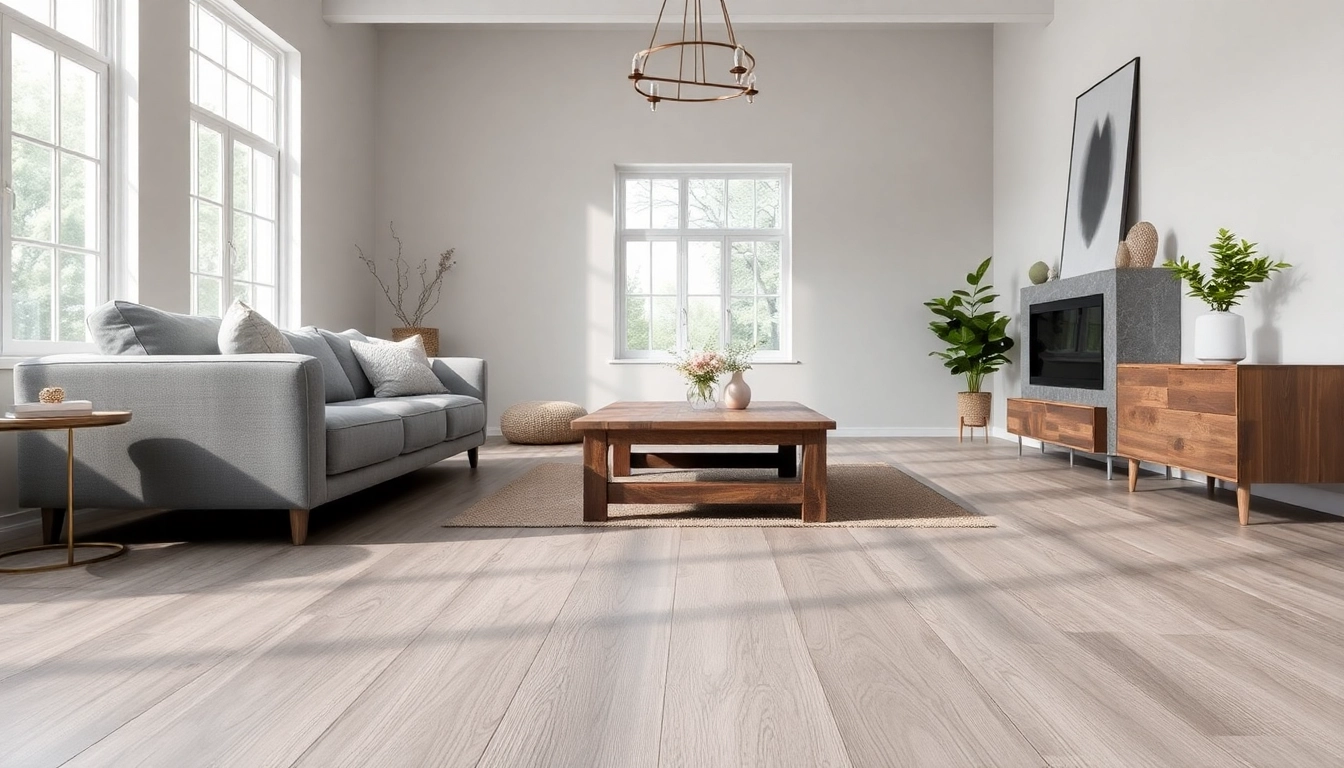
Understanding Grey Vinyl Flooring
What is Grey Vinyl Flooring?
Grey vinyl flooring is a popular flooring solution that emulates the look of natural materials, such as hardwood or stone, while being made from synthetic materials. This type of flooring comes in various forms, including sheets, planks, and tiles. It is designed to be durable and easy to maintain, making it an ideal choice for a wide range of home environments. The grey vinyl flooring enhances aesthetic appeal while providing functionality.
Benefits of Choosing Grey Vinyl Flooring
Choosing grey vinyl flooring offers numerous advantages. Firstly, its resilience against scratches and stains makes it suitable for high-traffic areas in the home, such as living rooms, dining spaces, and hallways. Additionally, vinyl flooring is resistant to moisture, which means it can be installed in bathrooms and kitchens without the risk of damage from spills or humidity.
Another significant benefit is the versatility in design. Grey vinyl flooring comes in various shades and patterns, allowing homeowners to achieve the desired aesthetic for their spaces. It mixes well with other colors and trends, making it suitable for both modern and traditional styles.
Lastly, installation can often be a simpler process than more traditional flooring types. Many grey vinyl flooring products are designed for DIY installation, which can save costs on labor while allowing you to customize your space to your liking.
Variations in Grey Vinyl Flooring Designs
Grey vinyl flooring is available in multiple designs that cater to different aesthetic preferences. From planks that mimic the look of distressed wooden flooring to tiles that replicate the appearance of natural stone, the versatility in design is wide-ranging. Furthermore, variations in texture, gloss, and finish can create unique visual perspectives, enhancing the overall ambiance of any room.
Popular styles include luxury vinyl planks (LVP) and luxury vinyl tiles (LVT), both of which are designed to provide high-quality aesthetics while retaining the durability and ease of maintenance associated with vinyl flooring. Additionally, options are available in varying grades and thicknesses, which can impact performance, comfort, and insulation.
Installation Guide for Grey Vinyl Flooring
Tools You Will Need
To successfully install grey vinyl flooring, having the right tools is crucial. Key tools include a utility knife for cutting, a measuring tape for accurate sizing, a straight edge for ensuring cuts are even, a trowel for adhesive application (if needed), and a roller for securing the floor. Depending on the type of vinyl flooring (plank or tile), you may also need a mallet to gently tap in planks or tiles snugly.
Step-by-Step Installation Process
The installation process for grey vinyl flooring can be straightforward if properly followed:
- Prep the Floor: Ensure the floor is clean, dry, and level. Remove any old flooring or substantial debris that may affect the installation.
- Measure and Cut: Measure the dimensions of the room and cut the vinyl to size, leaving a small gap at the edges for expansion.
- Lay the Flooring: Start laying the flooring from one corner of the room, working your way across. If using adhesive, ensure it’s evenly spread on the subfloor.
- Secure the Planks/Tiles: Once laid, use a roller to secure the planks or tiles in place, ensuring there are no air bubbles or gaps.
- Finish Edges: Install baseboards or trim to cover the gap at the edges for a finished look.
Common Mistakes to Avoid
When installing grey vinyl flooring, it is essential to avoid common mistakes that can compromise the final effect:
- Neglecting Subfloor Preparation: Skipping the cleaning and leveling of the subfloor can lead to an uneven finish and potential damage.
- Incorrect Measurements: Measure twice, cut once. Incorrect measurements can waste materials and lead to an unsatisfactory installation.
- Ignoring Expansion Gaps: Failing to leave space for expansion can result in buckling or warping over time.
Maintenance Tips for Grey Vinyl Flooring
Regular Cleaning Routine
Keeping grey vinyl flooring looking its best requires regular cleaning. A simple weekly routine includes sweeping or vacuuming to remove dirt and debris, followed by mopping with a damp mop and a pH-neutral cleaner. Avoid harsh chemicals or abrasive cleaners as they can damage the floor’s finish.
Preventive Care Strategies
To extend the life of your grey vinyl flooring, consider these preventive care strategies:
- Place doormats at entryways to minimize dirt and moisture entering the home.
- Use protective pads under heavy furniture to prevent scratches and dents.
- Keep pet nails trimmed to reduce the potential for scratching.
Long-Term Maintenance Practices
Over the long term, ensure to periodically inspect your flooring for any signs of wear and tear. Consider resealing the areas that show signs of scuffing or discoloration to maintain the flooring’s fresh appearance. Additionally, avoid excessive sunlight exposure or extreme temperature changes to keep the flooring from fading or expanding.
Cost Analysis: Is Grey Vinyl Flooring Worth It?
Price Ranges and Factors Influencing Cost
The cost of grey vinyl flooring varies based on factors such as material quality, type (plank, tile, or sheet), and brand. On average, prices can range from $1 to $5 per square foot for basic options, while luxury styles may go up to $7 or more per square foot. Additional costs may include underlayment and installation fees if professional help is sought.
Inexpensive vs. Premium Options
When weighing the option between inexpensive and premium grey vinyl flooring, consider both immediate costs and durability. Economical options may save funds upfront but could wear out faster, requiring replacement sooner than premium products. Investing in higher-quality vinyl can provide longevity and resistance to damage, ultimately making it a better value over time.
Value for Money Comparison with Other Flooring Types
Comparing grey vinyl flooring to other flooring types—like hardwood or tile—highlights its value. Hardwood can be significantly more expensive and requires ongoing maintenance, while tile can be cold and more challenging to install. In contrast, grey vinyl flooring offers a balance of affordability, easy installation, and minimal upkeep, making it a practical choice for many homeowners.
Frequently Asked Questions about Grey Vinyl Flooring
What types of grey vinyl flooring are available?
Grey vinyl flooring is available in various forms, including vinyl planks, tiles, and sheets, offering diverse design options for any space.
Can grey vinyl flooring be installed over existing floors?
Yes, grey vinyl flooring can often be installed over existing floors, provided they are clean, flat, and in good condition to minimize complications.
How do I clean grey vinyl flooring?
Regular cleaning involves sweeping or vacuuming to remove debris, followed by mopping with a damp mop and a pH-neutral cleaner for a proper shine.
Is grey vinyl flooring suitable for high-traffic areas?
Yes, grey vinyl flooring is exceptionally durable and can withstand heavy foot traffic, making it ideal for busy areas like hallways and living rooms.
What are the main benefits of using grey vinyl flooring?
Benefits include durability, ease of maintenance, a wide variety of design options, and moisture resistance, making it suitable for multiple applications.